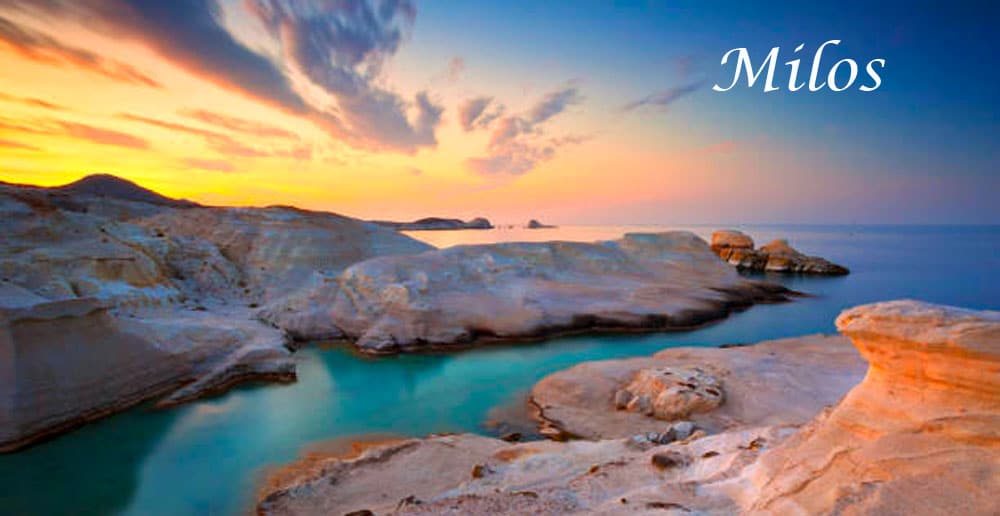
The island of Milos Greece
 Milos is the westernmost of the Greek Cyclades Islands located in the Aegean Sea 100 nautical miles south east of the port of Piraeus. It’s an extraordinary island where five million years of volcanic activity have left a mesmerising legacy of tangled rock formations, geothermal springs and beautiful beaches of red, gold, black and white. .
Small wonder they call this the Island of Colours, the ever-changing kaleidoscope of colour to be found in the volcanic rocks, the sand and pebble shoreline and spectacular sunsets never fails to impress the first-time visitor.
The island has so far managed to avoid mass-market tourism but it offers a wealth of treasures to those seeking an alternative to the “sun, sand and sex” scenario of the most popular spots in the archipelago.
You can fly to Milos from Athens with Olympic Airways but the majority of seats are generally taken up by employees of the mining industry which has long been the prime source of income for this mineral-rich island.
 Most tourists arrive by ferry from Piraeus or one of the neighbouring islands. There are daily ferries to and from Piraeus (about seven hours) and the Cycladic islands of Ios, Kythnos, Santorini, Sifnos and Serifos.
Flying Dolphin hydrofoils (much more expensive but nearly twice as fast) run frequently to and from Piraeus, Amorgos, Serifos and Sifnos.
You’ll arrive by boat in one of the world’s most beautiful natural harbours. It was created by one of the many volcanic eruptions which have formed the unique character of this island over the millennia.
Geography
Milos is the 5th largest island of the Cyclades and is located at their southwestern tip and will fascinate the visitor both for the romantic atmosphere it exudes and for the change of its landscapes.
The geological composition of Milos is volcanic and differs from that of the rest of the Cyclades with the exception of Kimolos. It does not have forests, nor rich vegetation, running waters and rivers, but it has many beautiful beaches, with sandy beaches and clear blue waters, with unique white, red, yellow or black rocks that cannot be found anywhere else in the rest of Greece.
Milos is part of the Aegean Volcanic Arc (formed by the submergence of the African plate beneath the Aegean Sea) which stretches from the Corinthian Gulf to the west coast of Turkey.
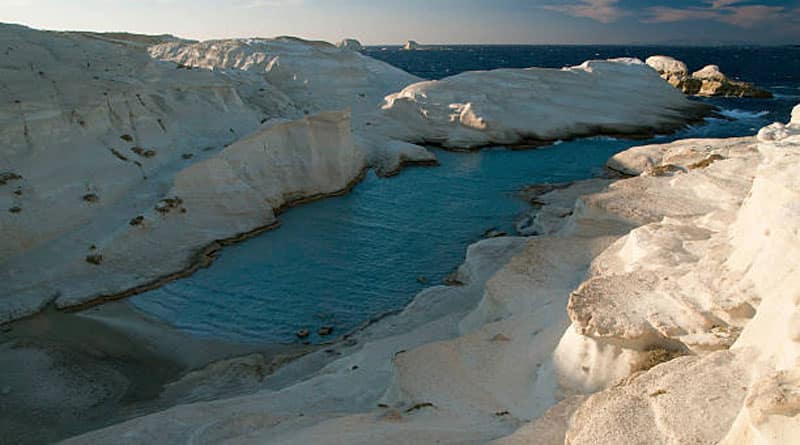
Millions of years worth of volcanic activity are evident in the weird white lunar landscape of Sarakiniko, on the north coast, in the organ-pipe formations of the tiny Glaronisia islet and the sulphurous blue waters of Papafragas.
The island of Venus de Milo
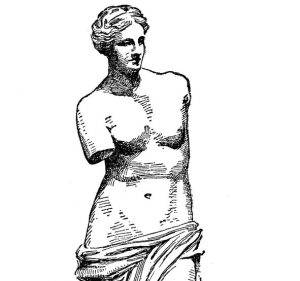
Without a doubt the island’s greatest claim to fame – and its greatest ever loss – is the Aphrodite of Milos (also known as the Venus de Milo) which is one of the world’s most famous statues, now housed in the Louvre Museum in Paris.
The statue of the goddess of love was found on the island by a local farmer in 1820 but was removed by the French and presented to Louis XVIII as a gift.
Mythology
 According to mythology, the island got its name from its first inhabitant, Milos. Milos was the son of a Cypriot royal family, who after the suicide of his parents, was sent by the Goddess Aphrodite to live on the island.
The name of Milos, however, is probably an evolution of the pre-Greek word “vilos” which meant sheep. According to Greek mythology, the creation of the Cyclades is attributed to the god Poseidon.
It is said that the god of the sea transformed the Cycladic nymphs into islands when they provoked his wrath.
In the ancient texts, Milos is mentioned by various names, Biblis, Mimallis, Akitos and Zephyria. The only one that has survived to this day is Zephyria, the old capital of the island. Many argue that the name Milos comes from the pre-Greek word vilos which meant sheep and later evolved into Milos
History
 The island of Milos became a place of strategic importance for the Aegean civilization. Important archaeological excavations also testify to the presence of the brilliant Minoan civilization (Phylakopi). There are also various testimonies of the presence of the Phoenicians and the Dorians.
It is testified that the island of Milos has been an economically advanced island since ancient times, due to the existence on the island of important primary materials of volcanic origin such as the so-called ‘volcanic glass’ or obsidian itself. The inhabitants of the island were not only skilled workers of these minerals but also skilled traders. In fact, exports could reach as far as Egypt. During the Persian Wars, Milos assisted the Greeks, while in the Peloponnesian War he remained neutral. In the 5th century BC. the island constantly refused its inclusion in the league of the Athenian Alliance.
What to do in Milos
Discover the amazing beaches
Paleochori, Papafragas, Gerontas, Firiplaka, Tsigrado, Plathiena. Yellow, orange, red and dazzling white rock formations come to life against the backdrop of turquoise waters. The volcanic landscape of Milos has created a spectacle beyond imagination. Get on a sailboat or speedboat and enjoy some of the best beaches of the Cyclades.
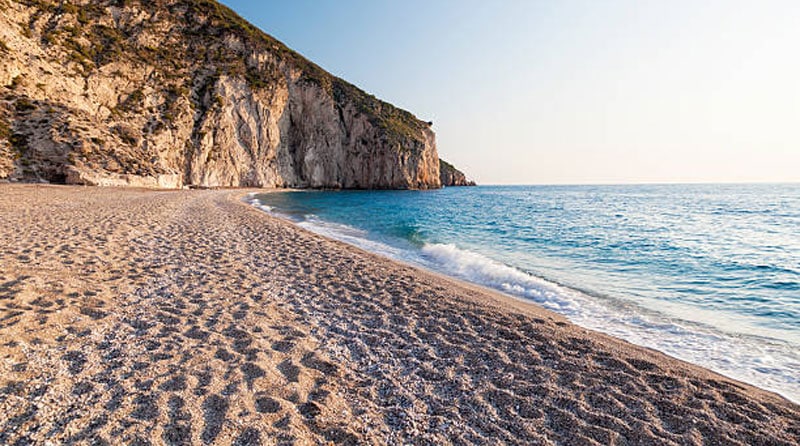
Admire pirate caves and a lunar landscape
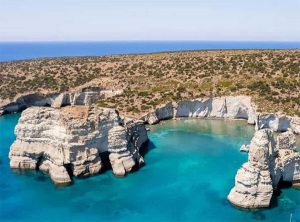
Kleftiko, Papafragas, Sarakiniko, Katergo… The terrible pirates of the Middle Ages had their hideouts in Milos. Traces of their existence can be found in Kleftiko, where pillars for their ships are carved into the impressive rocks, next to the turquoise waters and the caves. In Sarakiniko the landscape is from another world, with all-white rocks and enchanting shapes dominating the bay.
Take a stroll through the Little Venice of Milos
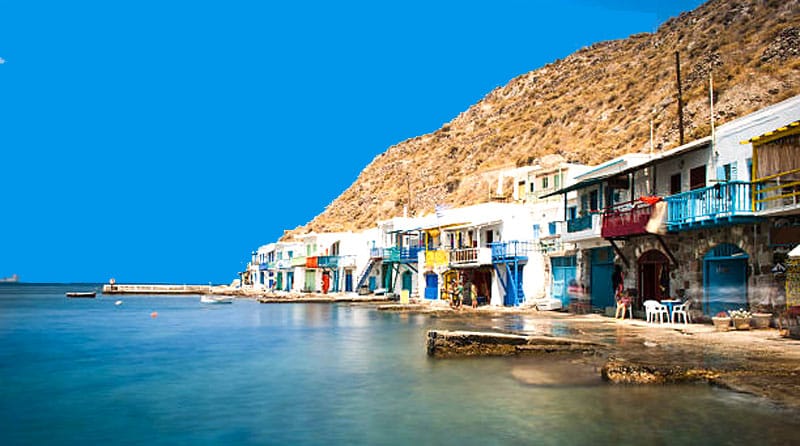
In the afternoon take a stroll to the picturesque, colorful village over the water, known as Little Venice, where the ancient port of Milos was. What makes it special? The 35 cavernous structures where boats were once stored and now serve as holiday homes. Wander around the small town and enjoy the unique sunset.
Watch the sunset in Plaka and the Castle
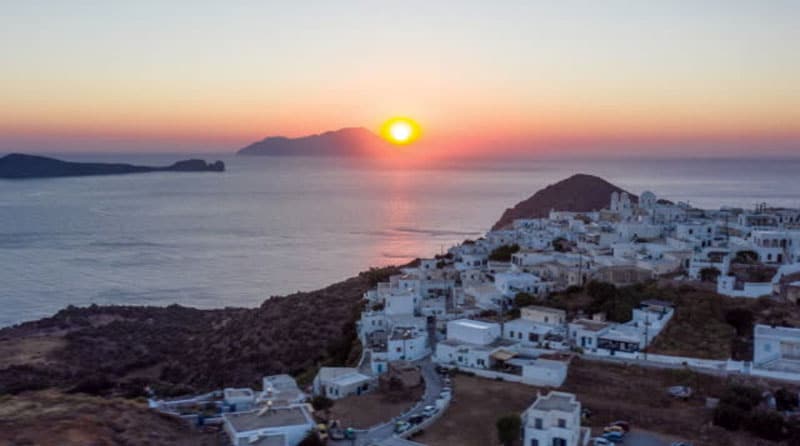
The tiles of the courtyard of Panagia Korfiatissa warm your feet as you take your place to watch one of the most beautiful sunsets in the Mediterranean.
Nearby is the charming Plaka, with the Catholic church of Panagia tou Rodon, as well as cozy restaurants and quaint cafes. The capital of Milos was built in 1800 from the ancient stones of the castle.
Proceed until you reach its ruins and take time to enjoy the panoramic view from the courtyard of Panagia Thalassitra. In the archaeological museum of Plaka, you will find the goddess of love herself: a life-size replica of Aphrodite of Milos.
What to see in Milos
The Ancient City of Phylakopi
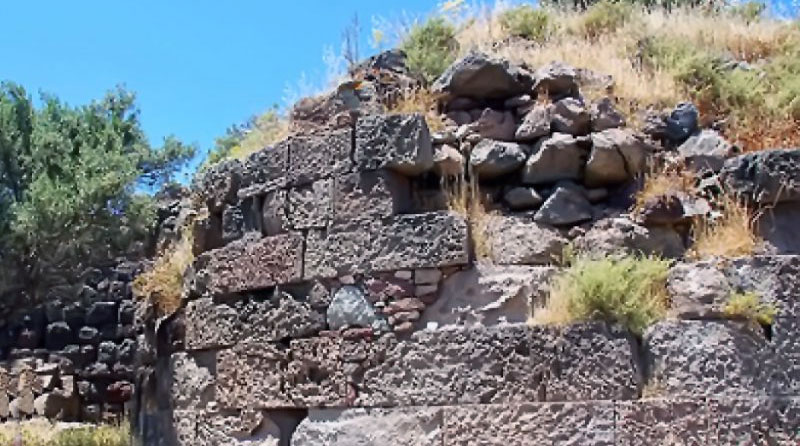
The Ancient City of Phylakopi is one of the most important prehistoric settlements of the Aegean which hosts the ruins of two million years. Archaeological excavations have brought to light traces of dwellings from the early Bronze Age.
Phylakopi developed into an important commercial and cultural center mainly due to the trading of the precious obsidian stone. Today, most of the city lies at the bottom of the surrounding area. However, it is worth visiting the remains of the impressive cyclopean walls of the settlement, the sanctuary and the palace of the area. The archaeological findings are exhibited in the Archaeological Museum of Milos.
The Ancient City of Klima
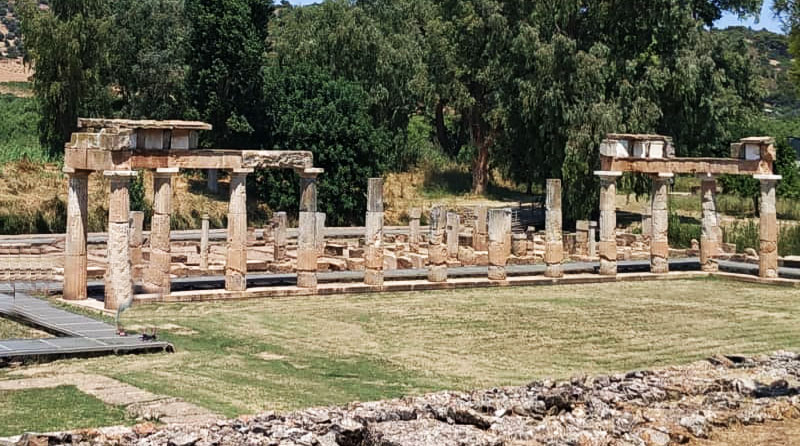
The Ancient City of Klima was the first port of the island located on the north side of Milos. After the destruction of Phylakopi, the second largest city of the island was built by the Dorians.
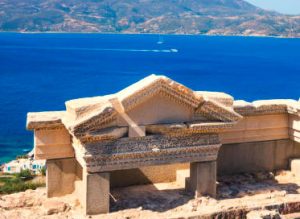
Today, the settlement hosts the acropolis of the hill of Prophet Ilias and the acropolis of Pyrgaki with remains of the walls of the market, ruins of temples from the Hellenistic times and ruins of the ancient theater. The most interesting piece, however, is the replica of the statue of Aphrodite of Milos which is located right on the site where it was discovered.
The Ancient Theater of Milos
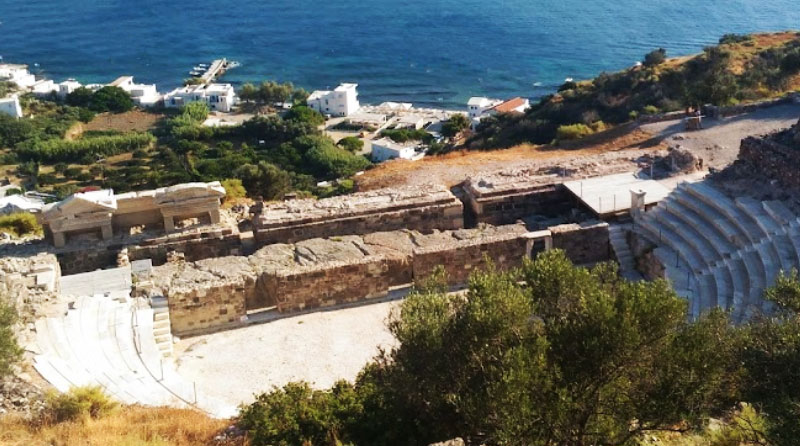
The Ancient Theater of Milos is built on the hillside above the Klima settlement. The theater was built by the inhabitants of the ancient city of Klima during Hellenistic times. After the destruction of the city by the Athenians, a new theater was built on the foundations of the ancient theater with whitewashed marble from Paros.
Among the remains of the area are the amphitheatre, the orchestra, the stage floor and a number of architectural fragments. Theatrical performances and musical events take place in the theater. This place is well worth visiting as it offers a panoramic view of the surrounding areas.
The colourful fishing villages of Milos
The fishing villages of Milos complete the colour palette of Milos, they are picturesque, much-photographed and well-known – unknown since everyone has seen them, either in person or from photographs, but few know their history.
These small traditional houses called “sirmata”, are located right above the beach, while most are bipedal and carved into the rocks. Their main use was as fishermen’s warehouse for their wooden boats during the winter, to protect them from the bad weather conditions on the island and to do the necessary restoration work. Moreover, the direct access to the sea made the boat’s transport to and from the sea very easy.
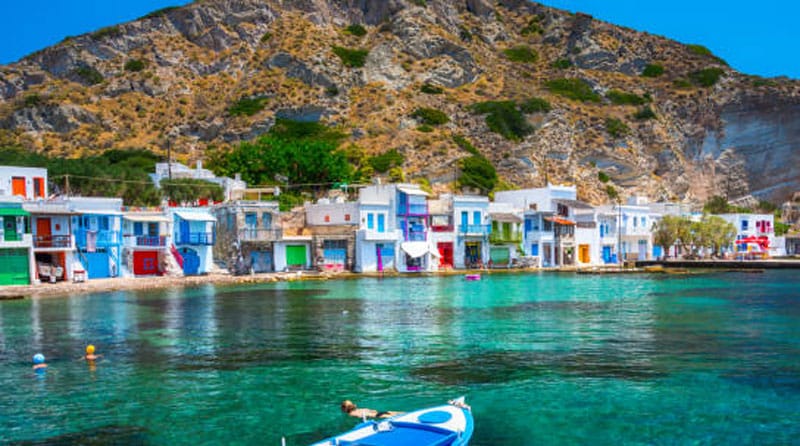
Most of these structures have a small apartment built on the first floor directly above the warehouse which served as a summer home for the fisherman and his family who wanted to stay close to the boat and the sea during the summer months.
The design of these structures is simple but very special. The facade is painted white but the large wooden door along with the windows and balconies on the first floor are painted in different bright colours such as red, yellow, green.
How did these colours come about? It is said that the color of the fishermen’s houses matches the color of their boat because it was actually painted with the paint left over from painting their boat.
The catacombs of Milos
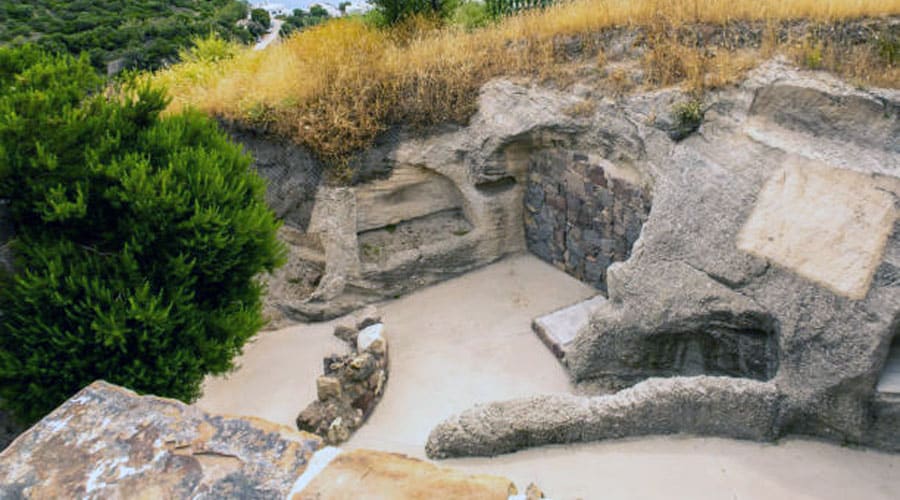
The catacombs of Milos are a huge technical project and the findings show that they were not only cemeteries but also places of worship.
But all were buried under huge volumes after the earthquakes of the 6th century AD and became a legend throughout the centuries.
These were valid until 1843, when the first descent into the monument was made by the German professor of archaeology, L. Ross, who rushed as soon as the entrance was discovered, near the village of Tripiti. But he found that the antiquarians had preceded him.
The catacombs are an underground network with three chambers, five corridors and a burial chamber. The network is 184 meters long, the height of the corridors reaches 2.5 meters and the width varies from 80 points to 5 meters.
The sulphur mines
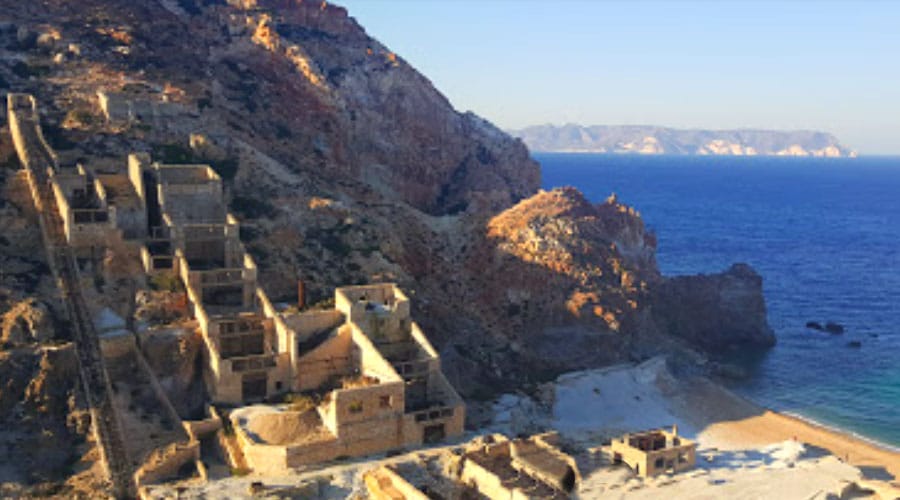
The sulphur mines of Milos, despite their long history, are ultimately not that well known to most people. What is certain is that by traveling there, even mentally, you are taking a trip back in time. It is a historically preserved place which was and still is today, a very important sample of the industrial heritage of the whole of Greece. It is the place where sulphur was mined for many years for its use in many purposes.
Besides, since ancient times it was necessary to exploit sulphur to polish metals, to disinfect, but above all to use it for antiseptic and therapeutic purposes. And Milos was one of the areas where significant amounts of sulphur were mined.
All this developed in the Paliorema area of Milos. This area, now deserted, was once an important sulfur extraction site. Gradually the mining and exploitation of sulphur developed even more. In particular, around 1860 the concession of the farm to private individuals began, while in 1958 it was abruptly stopped. And this is because sulphur became a by-product of oil refining, at a particularly low cost. Thus came the end of the mines of Milos, which now look like an attraction
The cave and beach of Sykia
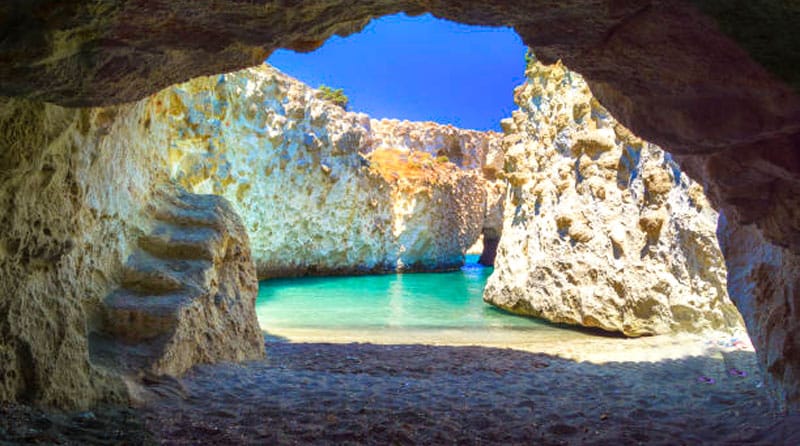
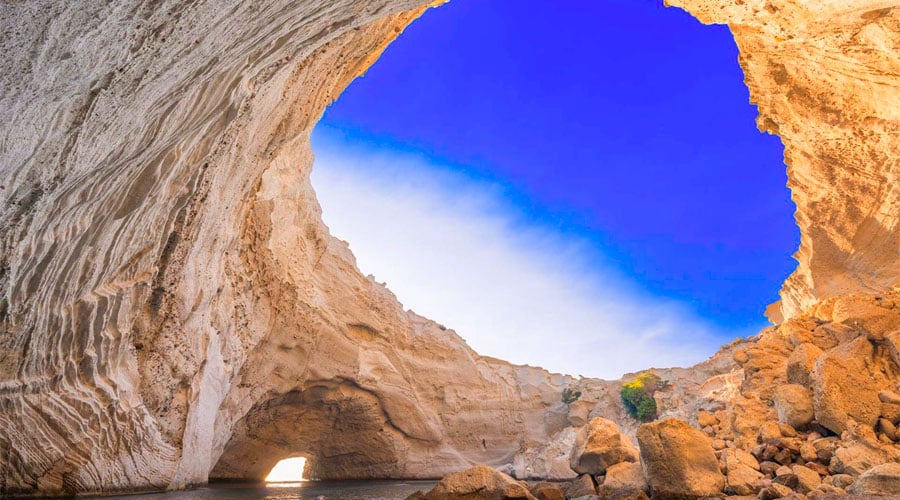
The small beach and the cave of Sykia, on the western side of Milos, which leave the visitor dazzled by the majesty of nature that he sees in front of him.
What characterizes it and makes it particularly special is the fact that part of the roof of the sea cave has collapsed over the years, creating a “hole” with a view of the sky.
Inside it hides a very small beach with pebbles, stones and crystal clear waters. The name is due, according to many, to the fact that very close to the roof opening is a fig tree.
This particular cave can only be reached by sea, while tourist boats make trips here combined with Kleftiko, one of the most important attractions of Milos.
The villages of Milos
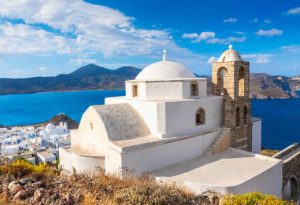 Milos boasts a mosaic of small villages and settlements that capture the essence of traditional Greek charm and hospitality. From the island’s bustling capital of Plaka, with its narrow alleys and Venetian castle, to the tranquil fishing villages of Klima and Mandrakia, each corner of Milos narrates a unique story. Time-worn windmills, pristine chapels, and whitewashed houses adorned with vibrant bougainvillea together paint a picture of idyllic island life.
As one delves deeper into the heart of Milos, the settlements reveal layers of history dating back to ancient civilizations, with remnants of Roman theatres, early Christian catacombs, and pirate safe havens. Each village on the island, whether perched atop rocky outcrops or nestled by the shoreline, offers a unique perspective of Milos’ rich heritage and unparalleled beauty.
Plaka
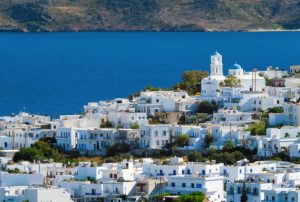 Plaka, the capital of Milos, is the typical Cycladic village, all white and full of endless alleys. Many stairways, lime and stone facades, souvenir shops and cafes. All to embrace a delightful, simple little square, where life flows between the bakery and the bus stop.
This village was only built in the 18th century, according to the needs of the time.
A fact that was common to all the Greek islands, to protect themselves from pirates and give each other a hand. Those were difficult times, where to survive you needed to be a real, united and compact community. Today, having escaped the danger, the center of daily life has changed. People live where it’s easier to park the car, rather than narrow streets and alleys.Plaka is sparsely inhabited and cannot shake off an almost museum-like feeling.
Adamantas
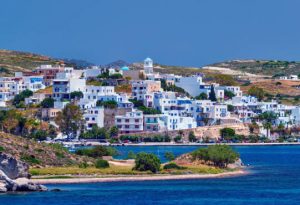 adamantas or Adamas is mostly made up of small white houses and narrow, quiet streets, which together form a beautiful picture. Adamas obviously in the summer is full of life and is full of seaside establishments such as restaurants, pubs, ice cream parlors, pizza, steak, souvlaki, clubs, shops, supermarkets and banks.
Architecturally less beautiful than Plaka, it is however in closer contact with the sea than the latter. In Adamas you can combine relaxation and tranquility with nightlife. In fact, moving from the chaotic center and traveling just 100 meters you are in total harmony with the landscape.
It is certainly the town most loved by young people for its nightlife.
Pollonia
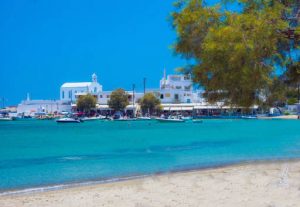 Pollonia also known as Apollonia is a small village or rather fishing village. About 300 inhabitants live in Pollonia. It is located in a beautiful bay on the north-eastern tip of the island of Milos.
Pollonia is the second largest port of Milos, the first being Adamas. It takes its name from the temple of Apollo which was once located near the current Pelekoudas lighthouse (to the left of the village).
However, don’t imagine a large port, but a very small port from which few boats depart and from which it is possible to depart towards Kimolos even with your own car. Small boats and ferryboats will take you in about 30 minutes to this island.
When is the beat time to visit Milos
The best time to visit Milos depends on your preferences and what you want to do on the island. If you are looking for warm weather, sunny days, and swimming opportunities, then the summer months of July, August, and September are ideal. However, these are also the busiest and most expensive months, and you may encounter strong winds that can affect some beaches and boat tours.
If you prefer a quieter and cheaper time, then the spring and autumn months of April, May, October, and November are great choices. The weather is still pleasant, the sea is not too cold, and the island is less crowded. You can also enjoy the natural beauty of Milos, with its colorful flowers in spring and changing leaves in autumn.
The winter months of December, January, February, and March are the coldest and rainiest, but they can also offer a unique experience of Milos. You can explore the island’s history and culture, visit the museums and churches, and mingle with the locals. You can also witness some traditional festivals and celebrations that take place during this season.
The beaches of Milos
Milos is one of the most beautiful islands of the Cyclades, and undoubtedly a favorite destination for many. Its beauty is magical, but so are its beaches, some of the most beautiful in the world! The wonderful clear blue waters are also the main reason for anyone to visit the island.
There are over 75 beaches in Milos, always profoundly different from each other, all of high quality. Like nowhere else in Greece you will be able to dive among “lunar” rocks, or become pirates for a day holed up in their caves, their ancient hideouts, the incredible Kleftiko and Sykia. And then the sand, and the shallow waters.
Provatas, Papafragas, Plathiena, Turkothalassa and also Thiorichia are beaches that each have their own character and beauty. The last one in particular is named so because the old sulfur extraction mine operated there. This beach has a unique and wild beauty as you bathe among yellowish pebbles while the rusty mines are above you.
Eating out and nightlife
In the island’s numerous restaurants, taverns, steakhouses and wineries, you have plenty of options. You can taste from fresh fish to international cuisine. We strongly recommend you to try the delicious lobster pasta, grilled or wine octopus, fresh fish, “ladenia” (delicious pie with oil, tomato and onion), as well as local meat dishes, such as roasted or wine-roasted rooster, oven-baked lamb with pelle and others many.
Although Milos is famous for its quiet life, there are several bars and nightclubs, which have their own colour and can offer the visitor romantic but also intense moments until the morning hours. There are several nightlife options in Adamantas but also in the other villages, most of them with a very nice view towards the sea.
Local Products & Specialties
Some of the local products of the island that you should definitely take with you on your return are thyme honey, local meat, dairy products, such as xinomyzithra, manouri, scotiri and the vegetables of Milos, such as tomatoes, melons, oranges and watermelon.
The island has countless restaurants and tavernas with delicious food and local specialties worth trying, such as pitarakia, the local cheese pie, strapatsada, a dish of fried eggs mixed with tomato and feta cheese, boujourdi, a dish of roasted tomato with peppers and cheese, ember-roasted, a dish of wild goat cooked with lemon and mustard, the flaunas, the local spinach pie, the watermelon pie, the traditional olive pie with tomato, olive oil and onion and the lambrokouloures, a type of biscuit.
Where to stay
From organized camping and affordable rooms to rent, to five-star hotels, Milos offers countless accommodation options to satisfy the preferences of all its visitors. Make sure to book your tickets and accommodation early so you can enjoy your best summer vacation.
Whether you’re gazing out over the blue Aegean sea from a traditional white-washed apartment perched atop a cliff or cozying up in a modern boutique hotel in the heart of one of its picturesque villages, Milos promises an unforgettable stay. The island’s accommodations are an embodiment of its spirit, where tradition meets comfort, and where every visitor feels the warm embrace of this sun-kissed Greek island.
Getting around
Public transport is managed by Buses, which guarantees an efficient and reliable service. The main station is located in Adamas, a few hundred meters from the Ferry Terminal. By bus you can reach many destinations, including Triovasalos, Plaka, Trypiti, Pollonia, Paliochori, Achivadolimni, Sarakiniko and Provatas, with several stops along the way. From Adamas, every day, there are 8 trips a day, in summer, to the international airport. Times and frequencies obviously vary according to the season.
In the context of internal travel, it is good to make an important destination between two large areas. The eastern part is possible to move through rather efficient, paved and smooth roads. Adamas, Plaka, Polonia and other more remote villages are perfectly accessible by any means of transport and public transport. Choose your vehicle carefully, especially if you want to reach the western area. In this case, you will have to deal with dirt roads that are difficult to access.
Not impossible to get around by scooter. It is necessary, however, to proceed with extreme caution, opting for a small scooter. The western part of the island is also the wildest and most remote from tourism To get around the eastern area alone, a small car is sufficient.
Taxis in Milos offers a vast fleet of modern and efficient cars with which you can move around Milos and the most important villages.
Rates are clear and transparent, with surcharges for airport, port, baggage and waiting times. A ride from Adamas to Plaka costs around 8 euro. For the Airport, 10 Euro plus supplements. From Pollonia, to Plaka or the Airport, around 20 Euro. Taxi drivers speak understandable English.
Getting around by boat
From the main port of the island, caiques leave every day for wild beaches and splendid excursions. Furthermore, from the port there are ferries to the nearby island of Kimolos. For those wishing to move around Milos, avoiding internal travel, this is the best option.
How to get there
Getting to Milos is surprisingly simple, you will have at your disposal not only ferries, including the fast ones and the cheapest ones, but also an efficient internal flight service departing from Athens airport. Despite the possibility of flying, however, the vast majority of travelers departing for Milos generally opt to reach the island via a combination of flight and ferry, changing in Athens or other islands of the Cyclades.
By Air
There are daily flights from Athens International Airport “Eleftherios Venizelos” (ATH) to Milos Island National Airport (MLO) operated by various domestic airlines. The flight duration is approximately 40 minutes.
International Connections: For those traveling from abroad, the common route is to fly to Athens International Airport and then take a domestic flight to Milos.
By Ferry
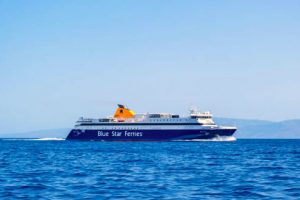 There are ferries to Milos departing regularly from the main port of Athens (Piraeus) to the port of Adamas in Milos. The trip duration varies from 3 to 7 hours, depending on the type of ferry you choose (fast ferries are quicker but more expensive). Popular ferry companies operating this route include SeaJets, Blue Star Ferries, and Aegean Speed Lines.
From Other Cycladic Islands, you can also reach Milos by ferry from other nearby islands such as Santorini, Mykonos, and Folegandros, especially during the peak tourist season.
These are a faster option compared to conventional ferries. They connect Milos with Athens and many other islands. However, they might be a bit more expensive and can be less stable in rough seas.