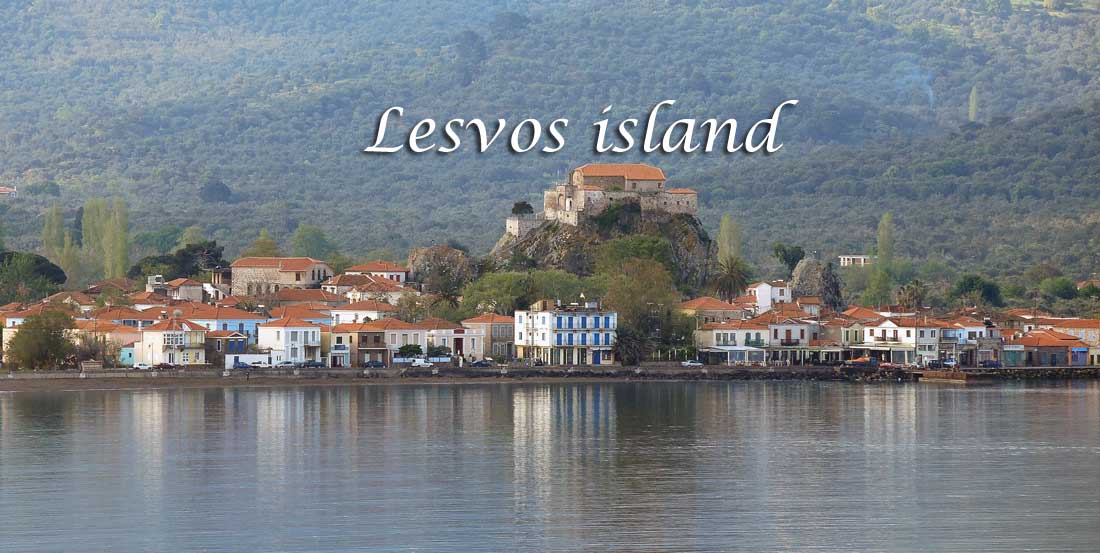
Information about the island of Lesbos Greece
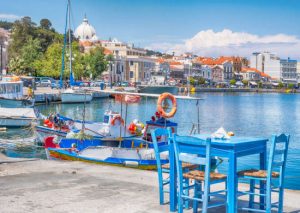 Lesbos, is the third largest island of Greece, it is a popular holiday destination with a rich history and many archaeological monuments and attractions.
In the homeland of the ancient lyric poet Sappho, you will encounter a rare natural beauty, architectural masterpieces, the Petrified Forest, medieval castle towns, historic industrial buildings, vast olive groves, waterfalls and the sweet Mediterranean climate.
If you want to explore Lesbos, you will start from Mytilini, the major port and center of the island’s commercial, economic and cultural activity. Then you will go to Molyvos and Petra, follow the road to Eressos and pass through the wonderful Sigri, where you will see the petrified forest. You will definitely stop in Plomari for ouzo and continue to the “mountainous” Agiaso.
Along the long coastline of Lesbos you will find many beautiful beaches, some organized with umbrellas, sunbeds and beach bars and others more quiet, inaccessible and steep. Whatever it is, it is certain that you will swim in crystal clear blue waters.
Dive in the blue waters of Eresos, one of the most famous beaches of the island, with fine sand and infrastructure for water sports, but also in Sigri, a closed cove with sand and shallow crystal waters.
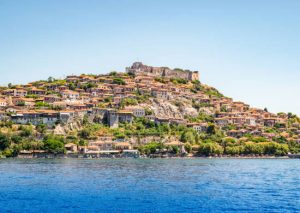 Visit the endless coast of Eftalou, with pebbly beaches with crystal clear and cool waters, also known for its thermal springs.
Get to know the small enchanting beach of Agios Ermogenis, surrounded by pine trees, the busy and long sandy organized beach of Molyvos, the beaches of Vatera, Tarti, Agios Isidoros.
Lesbos has a long history and culture, as well as unique natural beauties and a short walk to the city of Mytilini is enough to see a multitude of beautiful neoclassical mansions, majestic churches with impressive architecture, but also wonderful monuments of the Ottoman era. Castles, museums, archaeological sites, monasteries, wetlands and a petrified forest await you in Lesbos.
It is definitely worth visiting the Ancient theater and the Castle of Mytilene, the mansions in the city of Mytilene, the Sanctuary of Masses, the Castles of Molyvos and Sigri, as well as the Petrified Forest in Sigri. Get to know the Roman aqueduct of Moria and the Hydrobiotope of Kalloni, the Acropolis of ancient Eresos. Visit the Leimonos Monastery, the Strati Eleftheriadis – Teriade Museum – Library, and also the Theophilos Museum.
Lesbos is the queen of ouzo in terms of quality, quantity of distilleries and of course reputation, so those of you who are lovers of this drink are in the right place. The island has 17 different distilleries that produce ouzo and of course it has the three leading brands (Ouzo Plomari, Ouzo Mini, Ouzo Varvagianni) while also maintaining more alternative brands such as Pitsiladi and Babatzim. It is worth visiting the Varvagiannis Ouzo Museum and the world of Ouzo, where you can watch the process of distilling the drink, learn its history and enjoy the local and fresh varieties of Ouzo.
Of special importance is the Petrified Forest of Lesbos, which has been declared a protected monument of nature since 1985 and is considered one of the rarest in the world.
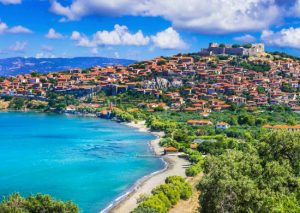 The contribution of Lesbos to the arts and letters has been invaluable, as prominent personalities of Greece were born here, such as Arion, Terpandos, Theophrastus, Sappho from the ancients, and Theophilus, Ilias Venezis, Stratis Myrivilis, Argyris Eftaliotis (Kleanthis Michaelidis), George Iakovidis from the youngest. Also, the parents of Odysseus Elytis came from Lesbos.
In addition to its natural beauties and its culture, it is an island that produces traditional Greek products and has unique dishes to show, such as three PDO cheeses, olive oil, honey, wine, but also traditional recipes such as spoon sweets, almonds, nuts, the famous clams, fish and shellfish, and of course the famous Plomari ouzo.
If, in fact, to all of the above, one adds the intense nightlife, the smiling hospitable residents and the long list of picturesque towns, then you know where you will go on vacation this summer.
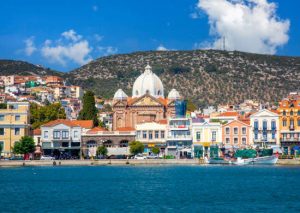 One of the most popular tourist spots on the island is the picture-postcard town of Mithymna (also known as Molyvos) on the north coast.
The town is a delightful concoction of cobbled lanes, street fountains and Ottoman-style mansions with wooden balconies overflowing with flowers – all crowned by an imposing 14th century Genoese castle.
There are many lovely hill villages to visit, some fascinating museums and monasteries, a good choice of sand and pebble beaches and several hot springs which have attracted visitors seeking cures for various ailments since ancient times.
Mythology
Before the flood of Deucalion, Argives settled in Lesbos, led by Xanthos, son of Triopus. After the flood, Makaras, from Oleno in Achaia, settled new inhabitants on the deserted Lesvos. In the next generation, a grandson of Aeolos, Lesvos, comes with settlers to Lesvos, marries Makaras’ daughter Mithymna and gives his name to the island and to the inhabitants, and to the cities the names of Makara’s daughters: Mytilini and Mithymna.
After the Trojan War we have Aeolian campaigns in Lesvos led by the sons of Orestes. In historical times, the dialect of Lesvos and Aeolis shows similarity with Thessalian and Boeotian, while in the 5th BC. c., Aeolians of Lesvos and Kymi recognized a kinship with the Boeotians.
History
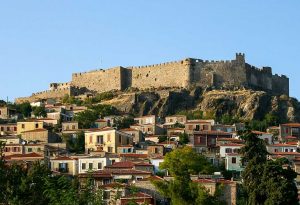 The island was probably inhabited by peoples from Asia Minor in the 2nd Millennium BC, or even earlier than that. It was a prosperous island, and Sappho had her school for young noble women in the 7th century BC. The famous philosopher Epicurus also founded a school here.
Because of its location, Lesbos was ruled by the Persians during the 6th and 5th century BC, but the island was a member of the Athenian League, doing its best to sabotage the Persian enemy. The Romans invaded in the 2nd century BC, and archaeological remains tell us that many wealthy Romans had villas on the island.
Genuans took the island after the fall of Constantinople and Byzantium in the beginning of the 13th century, and the Turks came in the 15th century. The war of Independence started in 1821, and 91 years later, the island was finally freed.
Culture and people
The cultural heritage of Lesbos is deeply rooted in its historical significance and the confluence of various civilizations. From ancient times, Lesbos has been a hub of artistic and intellectual pursuits. The island was the birthplace of several notable figures, including the lyric poet Sappho, whose contributions to Greek literature have left an indelible mark. The cultural legacy of Lesbos is also evident in its architecture, with influences from the Greek, Roman, Byzantine, and Ottoman periods shaping the towns and villages.
The arts play a pivotal role in the cultural fabric of Lesbos. Beyond the historical remnants, the island is home to contemporary artists, musicians, and writers who draw inspiration from their surroundings. Art galleries in towns like Mytilene and Molyvos showcase the works of local talents, providing a platform for the creative expression that continues to flourish on the island. Traditional music, often accompanied by the soul-stirring sounds of the bouzouki, resonates through festivals and local gatherings, offering a melodic celebration of Lesbos’ cultural identity.
Culinary Traditions
The culinary traditions of Lesbos are a delicious reflection of the island’s bounty. Fresh seafood, olives, olive oil, and locally produced cheeses form the backbone of Lesbos’ gastronomy. Traditional dishes, such as sardelles pastes (mashed sardines), ouzo-flavored mezedes (appetizers), and the delectable sweets like amygdalota (almond pastries), offer a taste of the island’s culinary heritage. The dining experience in Lesbos is not just about the food; it is a convivial affair that brings people together to savor the flavors of the Aegean.
The people
The people of Lesbos have shown remarkable resilience, particularly in the face of challenges. The island has been at the forefront of the refugee crisis, with Lesbos being a primary entry point for migrants seeking safety. Despite the hardships, its people have demonstrated solidarity and compassion, embodying the spirit of community that defines the island’s culture.
They are renowned for their hospitality, a hallmark of Greek culture. Visitors to the island often find themselves embraced by the warmth of the locals, whether in a seaside taverna, a village square, or a traditional family-owned guesthouse. The sense of community is palpable, especially during cultural events, festivals, and religious celebrations. The islanders take pride in preserving their traditions, passing them down through generations, and welcoming outsiders with open arms.
Local products
Lesbos is also famous for the traditional products of its land, but also of the sea that surrounds it. There are many items that one can buy on the island and they are either for culinary or aesthetic pleasures. Oil, aromatic soaps, spoon sweets, Agiasotikos halva, ouzo, olive oil, alipasta, wood carvings, ceramics, textiles, traditional pasta, local jams, local wine, walnuts, apples, cherries, herbs, honey, antiques, textiles are some of the items which can be bought either in the city or in the villages of the island.
What else could better accompany the delicious fish and other delicacies of its cuisine, than the well-known favorite ouzo, which has become almost synonymous with the island. The many distilleries as well as the special variety of anise found only in our place, confirm in the best way the tradition of Lesbos in the production of ouzo.
Incomparable in taste and aroma and with the best nutritional properties, the olive oil of Lesbosis a true gift of nature. There are over 11,000,000 olive trees on the island. The olive oil of Lesbos is characterized by its fine fluid texture, its light golden yellow color, its pleasant aroma and delicate subtle taste. For its excellent quality, the oil of Lesbos has been awarded several times at International Exhibitions. In Kalloni, there is also the first organic farm in Greece, in 1990.
With a long tradition in cheese products, Lesbos is well known for its cheese, feta and kaseri. After three months of preservation in excellent quality olive oil, the oil cheese acquires its well-known spicy taste, which makes it a unique appetizer.
The Kalloni sardine is famous all over the world, with its taste conquering more and more fans every year. Whether fresh, in the traditional fish taverns by the sea, or salted, Kalloni sardines live up to their reputation.
Lesbos also has a great tradition in ceramics, pottery and crafts. A walk through the alleys of Agiasos or Mandamados will convince you that the island is not without reason one of the centers of traditional pottery. The wood of olive, chestnut and walnut is transformed in the hands of the experienced craftsmen of Lesbos, into wonderful furniture or hagiographies.
Thyme honey is also widely known, and you can find it in every part of the island. In some places as well, such as the Kalloni pine forest, you can try other flavors such as pine honey or flower honey.
The Women’s Cooperatives are active in many areas of the island and beyond the unique handicrafts, they also use their art in the local traditional recipes. Spoon sweets, chestnuts, pastries, pies, jams, liqueurs, are just some of their “specialties”, which can be easily found – along with all other local products, on the waterfront of Mytilini.
Lesvos wines
The winemaking tradition on Lesvos is deeply rooted in the island’s history, and today, it continues to thrive, producing wines that reflect the unique terroir and dedication of local vintners.
The island’s viticultural heritage dates back thousands of years, with evidence suggesting that wine has been a central part of Lesvian life since ancient times. The island’s climate, characterized by ample sunshine, moderate temperatures, and refreshing sea breezes, creates an ideal environment for cultivating vineyards. The soil, predominantly volcanic, adds distinctive mineral qualities to the wines.
Lesvos is home to several indigenous grape varieties, each contributing to the island’s diverse and flavorful wine profile. One of the most prominent is the Muscat grape, used to produce sweet, aromatic wines that capture the essence of the Mediterranean. The Muscat wines of Lesvos are celebrated for their floral notes, citrus undertones, and a lingering sweetness that delights the palate.
Another noteworthy grape variety is the local red grape, Mandilaria. This grape thrives in the island’s rocky terrain and yields red wines with a deep color, robust structure, and a hint of spiciness. These red wines often embody the strength and character of the Lesvian landscape.
Lesvos winemakers, often family-run boutique vineyards, take pride in producing small batches of high-quality wines that showcase the island’s unique terroir. The commitment to sustainable and traditional winemaking practices is evident in the careful cultivation of vineyards, hand harvesting of grapes, and the use of both modern and ancient winemaking techniques.
Wine enthusiasts visiting Lesvos have the opportunity to explore the island’s wineries, where they can immerse themselves in the winemaking process and savor the local vintages. The tasting experiences often take place against the backdrop of breathtaking landscapes, providing a sensory journey that combines the flavors of Lesvian wines with the beauty of the island.
The Lesvos Wine Routes offer a curated exploration of the island’s winemaking regions, guiding visitors through vineyards, cellars, and tasting rooms. These routes not only showcase the diversity of Lesvian wines but also provide a glimpse into the cultural and historical tapestry that surrounds the island’s winemaking traditions.
In recent years, the wines of Lesvos have gained recognition on both the national and international stages. Winemakers are embracing innovation while staying true to the island’s winemaking heritage, resulting in wines that are not only distinctive but also a testament to the evolving identity of Lesvos in the world of oenology.
Sights and attractions
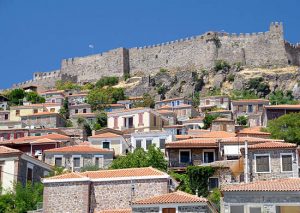 Mytilene has an interesting archaeological museum as well as a folklore museum. You can also visit the 14th century Kastro, as well as the Roman theatre from the 3rd or 2nd century BC.
The most beautiful part of the island is by the Kallanis Bay in the center of the island. There, you can visit the picturesque villages Kalloni and Molyvo. At the ancient town you can still see walls from the 8th century BC. There is a Byzantine castle.
Not far from there is Petra, a village with a strange, tall cliff with a church from the 18th century dedicated to the Virgin Mary the Sweet Kisser (Panagia Glykofilousas) on top of it.
The monastery Limonos holds invaluable treasures in its museum. Parts of the monastery can only be visited by men. The nunnery Ag Raphael is also open to the public .
At the village Mantamado there is a church dedicated to the saint Taxiarchon. It has a famous icon which allegedly was made out of clay and blood.
Another famous icon is kept at the church of the Virgin Mary Zion (Panagia Sion). It was allegedly made by the evangelist Lucas, and is believed to have healing powers.
A little further north, the picturesque village Mithymna is situated by the sea. The village is full of traditional houses and winding streets, and there is an old Kastro here.
Eressos is another lovely village of special interest, since both Sappho and Theophrastus lived here. There is an archaeological and a folklore museum here, as well as a petrified forest well worth a visit.
Local architecture
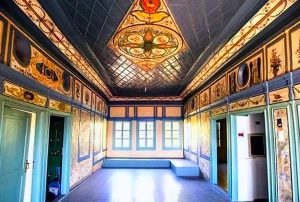 Lesbos is one of the islands worth exploring for its architectural influences. From castles to farmhouses and from Ottoman buildings to Neo-Gothic masterpieces, an architectural tour of Lesbos is a wonderful journey.
Mytilini, the capital of Lesbos, could be, for example, the subject of an entire thesis in itself.
Mansions built mainly in the late 19th-early 20th century, combine classical Greek architecture with European elements (baroque, neo-gothic, renaissance, neoclassical).
Huge windows, heavy wooden doors, marble steps, gables and columns bear witness to the old urban glamor of Lesbos. The buildings on the waterfront of Mytilene are just as imposing: the former “Great Britain” hotel, the Columns, the Old Port Authority, the District building, the Old Town Hall, etc.
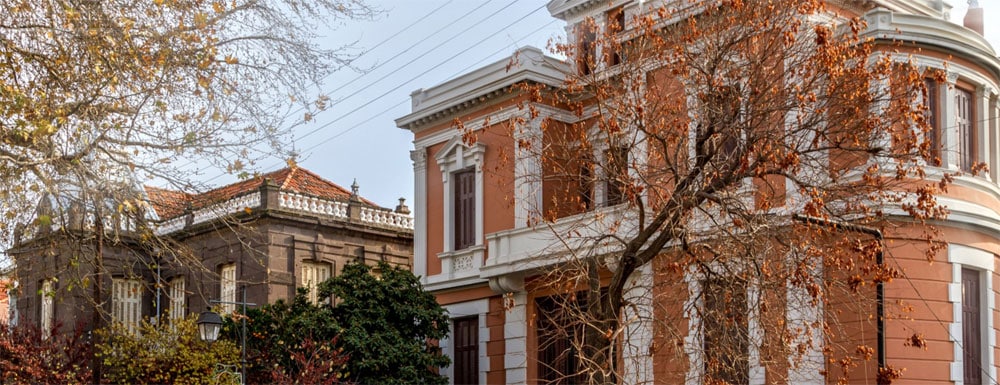
However, mansions are not limited to Mytilene. They combine past and future in other settlements as well, such as in Sourada and Petra. The latter hosts the famous mansion of Vareltzidaina, a building of the 18th century, which belongs to the secular architecture of Lesbos during the Late Turkish period.
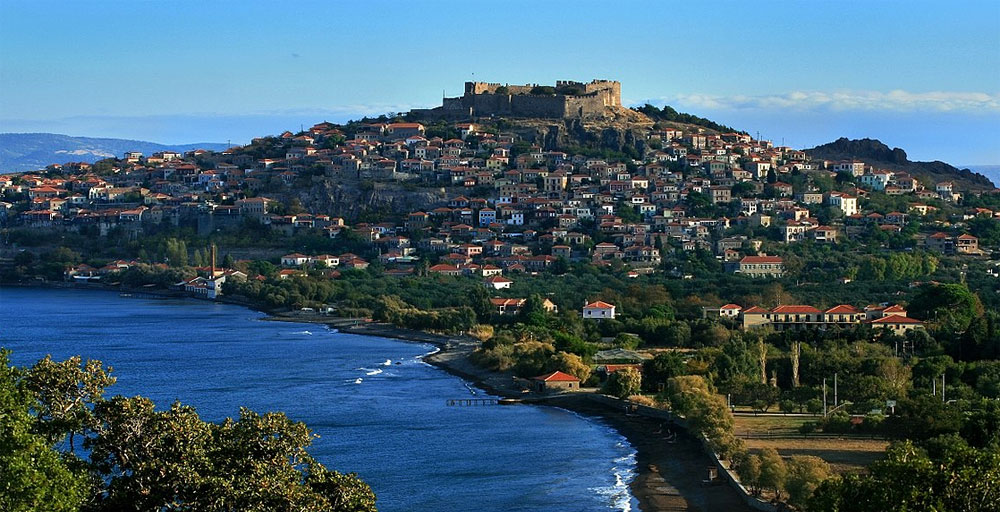
Molyvos is also one of the most traditional and largest villages of the island and hosts the second largest castle. The village consists mainly of stone structures with wooden details, red roofs and colorful doors, and has been designated a “traditional settlement” since 1965.
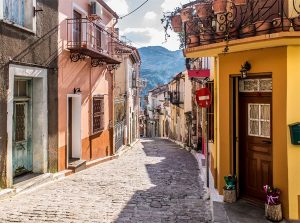 This means that since then no one is allowed to build a new structure in the village with other materials, except stone and wood. Here one can find mansions, such as the mansion of Giannakos and the building of the Academy of Fine Arts.
The former Komninaki-Kralli mansion is located quite high, in the center of the traditional settlement, a little below the castle. It is a typical example of local architecture of the 19th century and is spread over 3 floors, ground floor, mezzanine and 1st floor, with a total gross area of 414 sq.m.
The ground floor is stone-built and externally unpainted, like everything stone-built in Molyvos. The floor is wooden. There are 4 rooms with frescoes of popular painting from 1833 which are a place for the public to visit as an attraction-museum.
Hiking in Lesbos
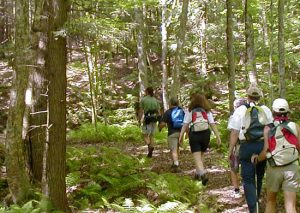 Lesbos can rightly be described as a hiker’s paradise. Inexhaustible natural wealth, scattered cultural monuments, stunning views of the Aegean Sea and the Asia Minor coast, but above all a network of well-marked paths make it an ideal destination for walking tourism.
Information panels, lookouts and gazebos for pedestrians to rest complement the marking of the paths and enrich the routes on the island. You can walk on, routes of ecological interest, routes based on the rural landscape, geology and relief, culture, customs and traditions. There are trails of varying degrees of difficulty that will satisfy even the most experienced walkers.
The path of the hiker is guided by red rhombuses that are present in obvious places, but also by the yellow-black hiker Orestes. Of the proposed paths that follow, few are unmarked, but this is not a deterrent for choosing the routes. Next to the name of the path is marked the corresponding municipality of Lesbos, so that the hiker who is not familiar with the geography of the island can easily identify the paths.
Beaches
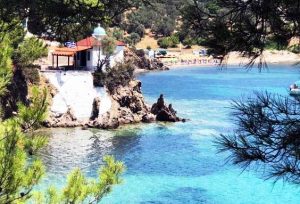 The Bay of Kaloni almost splits the island of Lesbos in two. North of the Gulf is the main tourist area with popular resorts on the north coast. To the east of is the capital Mytilini and the low-key resorts of the Gulf of Thera and west the wild and rugged mountains with few roads and few people.
Kalloni and Petra are just two of the island’s wonderful beaches, which are also good for families with children. Ag Isidoros and Skala are also very nice places for swimming, but there are many, many more beaches in the area.
North of the Gulf of Kaloni, the main tourist area has several popular resorts from the bigger beach resorts of Petra and Anaxos in the west to the small coves of Mandamos and Aspropotamus in the east.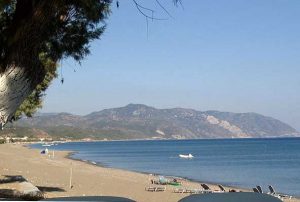 The south-east is dominated by the mountain of Profitis Ilias and flanked east and west by the gulfs of Kallonis and Geras. Olive groves and pine forest dominate and this is one of the most beautiful parts of Lesbos, with pretty villages flung around the rolling hillsides. The Bay of Yeras is almost an inland sea and it has some of the most important wetlands of Greece.
The western half of Lesbos is much less developed than the north and east and dominated by impressive mountains with the coastal areas backed by large, fertile plains and gentle roiling hills. The only two beach resorts of note are Skala Kaloni in the Kaloni Gulf and Skala Eressos in the south-east. To the far west is the world’s second largest petrified forest of Sequoia trees.
Nightlife
Lesvos has a good nightlife, and you’ll find bars and discos in Mytilene, Mithymnia and Skala for example.
On the road between Petra and Molyvos, the Oxy club (formerly “Gatelouzoi”) dominates. And when I say dominant, it’s not a figure of speech.
This is a huge club built on the hill, which has the shape of a boat. Fridays and Saturdays especially, the place is full of fun and you are not expected to “disembark” before dawn. For a few years it was closed, but now it has returned dynamically with new owners and a new name.
If you stay in Molyvos, you must spend at least one night in the summer cinema of the island. In the heart of the village, in the green and with a different movie every night, it will offer you an ideal two hours to start your night
Moving around
To get the most out of the fascinating island of Lesvos and all it has to offer you really need to have a car for at least a few days of your stay here. This is the third largest island in Greece, so scooters and mountain bikes are not as convenient here as on the smaller islands if you want to explore beyond the immediate environs of your resort area.
There are plenty of car hire firms in the capital Mytilini though you might find it cheaper to rent a vehicle in Mithymna or Skala Eresou if you’re staying in either of those areas.
With the benefit of your own transport you’ll be free to tour the island’s lovely hill top villages, monasteries, thermal springs and numerous beaches. If you’re travelling independently rather than with a tour group you’ll be able to bed down for a night or two in different areas of the island to give yourself plenty of time to explore each region.
If you’re an art lover your first stop will be the tiny village of Varia, four kilometres south of the capital. This was the home of the famous early 20th century painter Theophilus Hadzimichali whose work, much of which portrays the life of the island’s farmers and fishermen, is on display at the Theophilus Museum. The next-door Teriade Museum houses an awesome collection of works by some of the greatest masters of the last century including Picasso, Chagall and Matisse.
Another easy excursion by car from Mytilini is the lovely hill town of Agiassos, 28 kilometres south west of the capital. This is probably the most picturesque settlement on the island, nestling in a wooded valley in the shadow of Mount Olymbos, the island’s highest peak. It’s a delightful concoction of cobbled lanes, stone houses, a medieval castle and authentic craft shops selling locally made pottery and hand-carved wooden items.
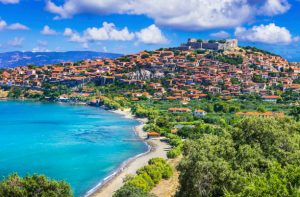 If you’re staying in the south coast beach resort of Vatera you’ll be able to hire a car locally. Those staying elsewhere on the island might be interested to make a day trip here to visit the local beaches and the nearby Museum of Natural History which has a fascinating display of fossils dating back some 5.5 million years. The fossils of various creatures including elephants, giraffes and hippopotamus have been found in the area around the Gulf of Yera which was a sub-tropical lake in prehistoric times.
A few hours spent in the northern village of Mithymna (also known as Molyvos) is a must for most visitors because this rates as one of the most delightful towns on the island with its ornate houses arranged in tiers up the hillside topped by a Byzantine castle.
From Mithymna you can drive over to the island’s rocky, barren western corner where you’ll find a petrified forest of sequoia trees which were turned to stone after a volcanic explosion thought to have taken place up to 20 million years ago.
Climate
Lying close to the coast of Turkey, Lesbos is 70 by 45 kilometres with an area of 1,630 sq. km. The island has two very large narrow-necked bays to the south at Kalloni and Geras. Abundant springs and tidal rivers ensure some areas remain wet even in high summer and large salt pans attract migrating birds.
The hilliest areas are in the north around Molyvos and to the south-east above the Gulf of Gera. Uplands are cloaked in pines and oaks, with olive, vine and citrus groves on many hillsides.
Lesbos weather is typically Mediterranean with mild, wet winters and warm, dry summers. The northern meltemi wind blows in high summer but Lesbos is considered one of the sunniest Greek islands. The mean annual temperature is 18°C and rainfall is 750 mm.
Summer months are dry and high summer brings more than 12 hours of sunshine with thermometers often topping 30°C in July and August.
Winters are mild with long spells of sunshine. The rainiest months are December and January.
Best time to go in Lesbos
The best time to go to Lesbos largely depends on individual preferences and the type of activities one wishes to engage in, as each season brings its own unique charm to the island.
Spring, spanning from March to May, is considered by many as one of the most delightful times to visit Lesbos. During this season, the island blossoms with vibrant wildflowers, and the temperatures start to rise, creating a pleasant and mild climate. Spring is ideal for nature enthusiasts, as hiking trails come to life with lush greenery, and the countryside is a tapestry of colorful blooms. Additionally, the beaches are less crowded, allowing for tranquil moments by the sea.
Summer, from June to August, is the high tourist season in Lesbos, attracting visitors with its sun-drenched days and balmy evenings. This is the perfect time for sun worshippers and beachgoers who seek the warm embrace of the Aegean waters. The island’s numerous beaches, such as Vatera, Eftalou, and Petra, come alive with activity, offering a variety of water sports, lively beach bars, and a bustling atmosphere. The summer months also present an opportunity to partake in vibrant local festivals and cultural events.
Autumn, from September to November, extends the pleasant weather of summer into the post-peak season. The temperatures remain inviting, making it an excellent time to explore the island without the crowds. Autumn is particularly appealing to those interested in the island’s culinary scene, as it coincides with the olive harvest. Visitors can witness the traditional process of olive oil production and indulge in the fresh, local produce that graces the tables of tavernas.
Winter, from December to February, brings a different allure to Lesbos. While the weather is cooler, it remains mild compared to many northern regions, making it an attractive winter destination. Winter is ideal for those who prefer a quieter experience, as the tourist crowds dissipate, and the island adopts a more laid-back pace. Exploring historical sites, such as the medieval Molyvos Castle or the Roman Aqueduct of Moria, is a peaceful and enriching experience during this season.
Local food and cuisine
In Mytilene and Mithymna you’ll find both Greek and International restaurants, but all the villages also have small, traditional taverns with good food. The island is known for its olives and ouzo, and there are several local sweets. Food in Lesbos is directly proportional to the size of the island. In whichever of the beautiful and relatively untouched villages you find yourself, you will find a tavern that will offer you unlimited taste stimuli.
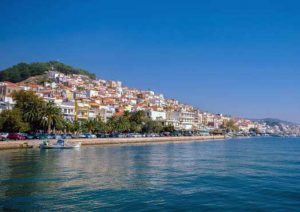 Ouzo puts its stamp on the whole island and as accompaniments you will taste an endless array of dishes such as fish ,cheesecakes with mint, courgette flowers stuffed with cheese, salted sardines. Another characteristic dish is the sweet fava made from green peas.
You will also taste high quality meats, since the island has its own livestock. Notably, the locals do wonders with the abundant fresh fish and seafood, vegetables, herbs and of course, their own cheeses, ladotiri, feta and mizithra.
Also famous are the almonds, the traditional wedding sweet of Lesbos, based on raw almonds, raw sugar and flower water, which even today are made in traditional forms, as well as Placheta, produced with a recipe that has not been touched by time, from foil opened in the traditional way and walnuts, sesame, syrup and spices.
When you sit down to enjoy your ouzo in one of the island’s taverns, ask them to prepare one of the unique traditional dishes such as meat with quinces, patatlidiko, sougania (onion dumplings), anthimas (zucchini flowers) stuffed with rice or cheese, giuselmedes (cheese pies) or the octopus with olives.
You shoud try the Lesbos “sousi” made by one day only salted sardines!!! An excelent mezes with Ouzo!
Where to stay
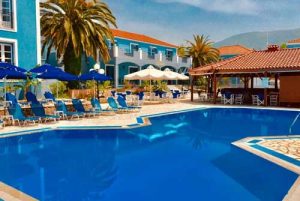 Lesbos has a wide variety of accommodation to suit most budgets. Large hotels aimed at the package holiday market are found in the big tourist centres. If you plan a visit in August it’s probably best to book ahead as hotels can be block-booked weeks in advance.
For cheap rooms, the capital of Mytilini is probably the best. There are many small hotels and domatia off the main thoroughfare of Ermou, near the harbour. Small hotels also line the waterfront but the prices rise and night noise can be a problem.
Accommodation is available in the picture-postcard resort of Molyvos and several inexpensive hotels are sited on the waterfront below the old town. Those on a tight budget can opt for Molivos Camping site just outside the resort.
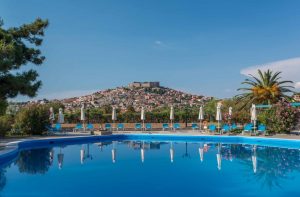 There are plenty of hotels and apartments at the popular beach resort of Petra, five kilometres south of Molyvos and, if you fancy something unusual, try contacting the local Women’s Agricultural Tourism Collective in the central square for a room in local family home. You can reserve a room online.
Skala Eressos in the south-west is Lesbos’ busiest beach resort and has plenty of hotels, pensions and apartments, including a couple of women-only hotels. More holiday accommodation can be found at beach resorts along the south coast, including a large camp site at Vatera.
Villages and towns
Mytilini
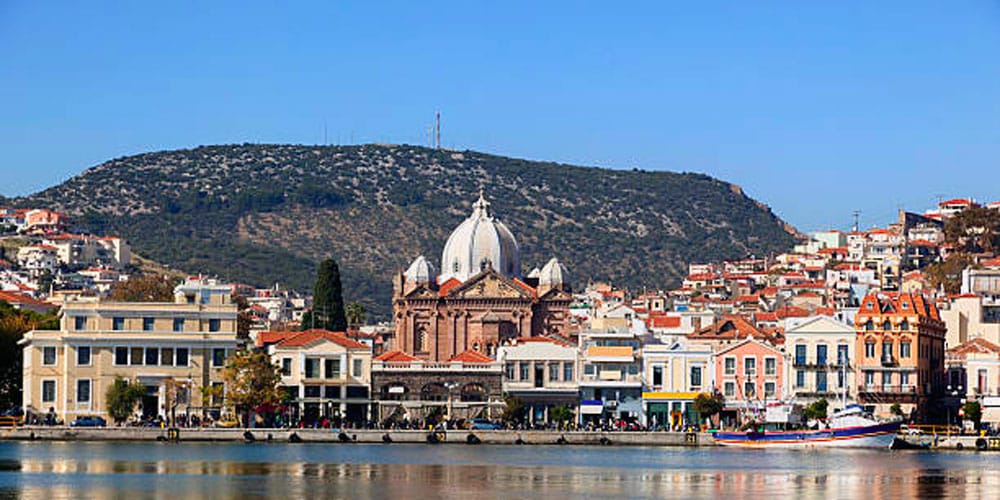
Mytilini the capital of the island is built on the southeastern tip of the island of Lesbos. It is the capital of the island, seat of the prefecture of Lesbos and the region of the North Aegean. The area of the city is relatively large, but disproportionate to its population.
The rest of the larger, more sparsely populated area of Mytilini is almost still represented by low, old buildings, among which many preserved neoclassical and some Western European architecture buildings.
The Renaissance-style church of St. Therapon stands out with its majestic baroque dome dominating in the port of the city, the bell tower of the metropolis which is neo-gothic style, which is the only one in Greece of this style, the beautiful neo-baroque four storey building in Sappho’s Square on the waterfront and several mansions throughout the city, from which distinguish those of the Sourada area in the SE part of the city on the road to the airport, which were built by expats of the island at the end of the 19th century .
These buildings bear on them many Western European architectural elements, such as Baroque, Neo-Gothic, Belle Epoque, Renaissance, Neoclassical and many times mixed together they complete a beautiful, strange architectural image for the city and for the island.
A typical architectural masterpiece of the area is the fairly well-known Belle Epoque Tower of Mytilene, today a luxury guest house. There is also a holy temple on the island of Lesbos, which honors Saint Simeon the new stylist of Lesbos.
Plomari
In Plomari, the homeland of ouzo and the third largest settlement in population of Lesbos, which used to be a base of soap factories, olive mills and shipyards.
Stroll to the central market with its picturesque alleys and flowery courtyards and visit one of the traditional cafes on the embers.
Here you will find hotel facilities, taverns and various kinds of shops, while you can visit one of the many ouzo factories to see how ouzo is produced.
Molyvos
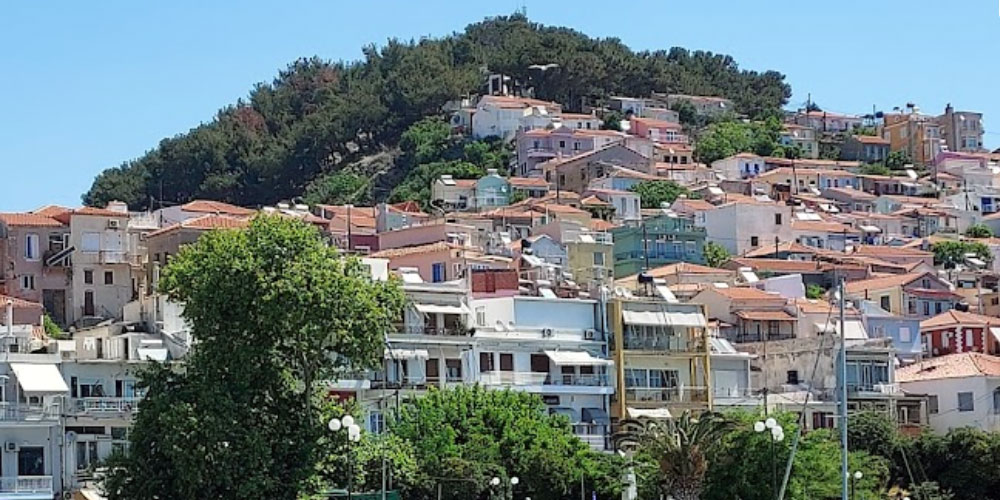
In Molyvos or Mithymna, as was the ancient name of this preserved traditional settlement. It is undoubtedly very picturesque and it is no coincidence that many Northern Europeans have settled here who were enchanted by its beauty.
Amphitheatrically built on a rock, with the castle dominating at the top, what makes Molyvos special is the architecture of its stone mansions.
Take a tour of the cobbled streets, drive to the picturesque square and reach the traditional harbor at the edge for fresh seafood and fish.
Vatera
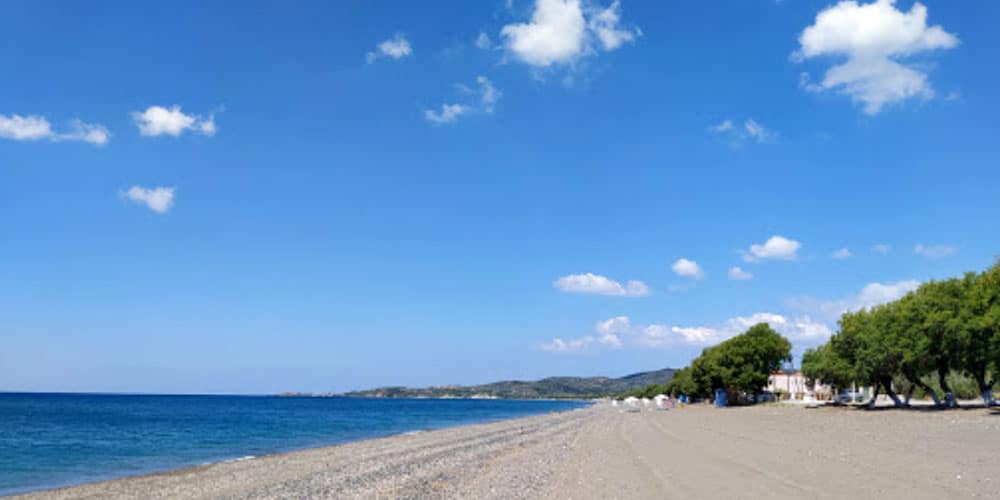
Vatera is a serene village located on the southern coast of the island and is primarily known for its extensive and beautiful beach, which stretches for several kilometers, making it one of the longest beaches on the island. The beach is a mixture of sand and pebbles, and the waters are typically calm, making it a safe choice for families and swimmers.
The natural beauty and tranquil ambiance of the area make it a favored spot for those looking to escape the bustling tourist crowds found in other parts of the island. In addition to its natural allure, Vatera is close to some archaeological sites. The region has a rich historical background, and near Vatera, there’s an ancient settlement called Polichnitos which holds ruins dating back to the Bronze Age.
Agiasos
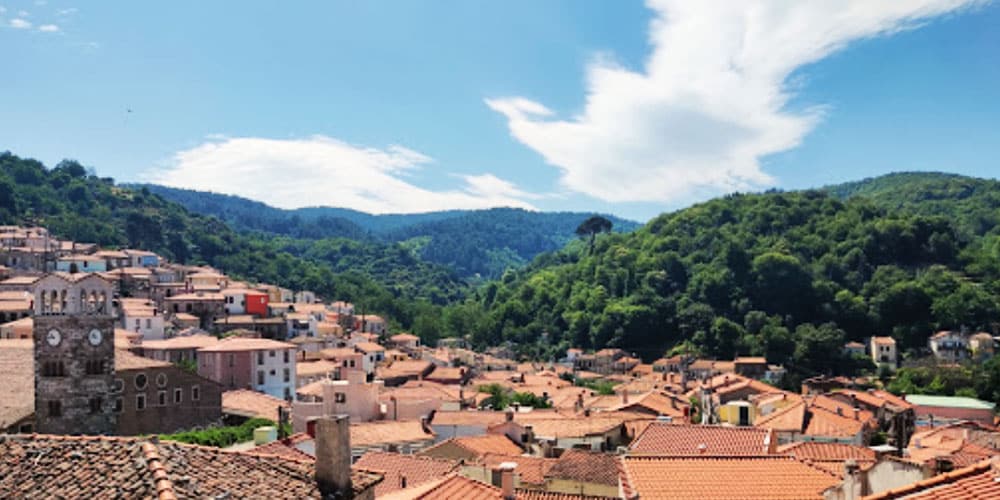
At an altitude of 460 m. On the slopes of Mount Olympus, the traditional settlement of Agiasos will enchant you with its cobbled streets, shops selling wood carvings and fabrics and the hospitable people who speak a typical local dialect.
Although it is not rained by the sea, it presents intense tourist traffic even in the summer months. It is worth coming on the 15th of August for the festival of Panagia Agiasos.
Skala Sykamias
On the northwest side of the island, thefishing village, Skala Sykamias, is located 45 km from Mytilene. Take to the road by the sea to admire the imposing mansions that testify to the flourishing of the area in the past decades and ask about the mulberry tree of Myrivilis, where the famous novelist sat and wrote.
Make a stop at the white church of Panagia Gorgona, one of the most photographed places on the island, which dominates the rock at the edge of the sea.
Kalloni
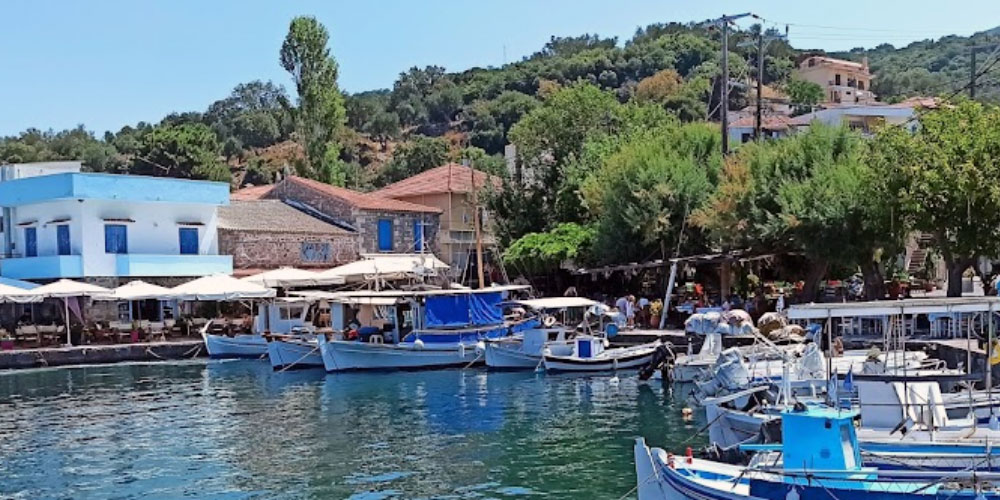
The village of Kalloni lies in the centre of Lesbos, 45 kilometres west of the capital Mytilini, where six rivers flow, and a main island crossroads for centuries.
To the south lies the Gulf of Kalloni, known for the quality of its fish, particularly sardines, cockles and mussels and a major eco-tourist centre with a great number of rare birds.
Nearby Limonas Monastery was built in 1523 and its library contains about 5,000 books, manuscripts and other documents, some from the 9th century.
Sigri
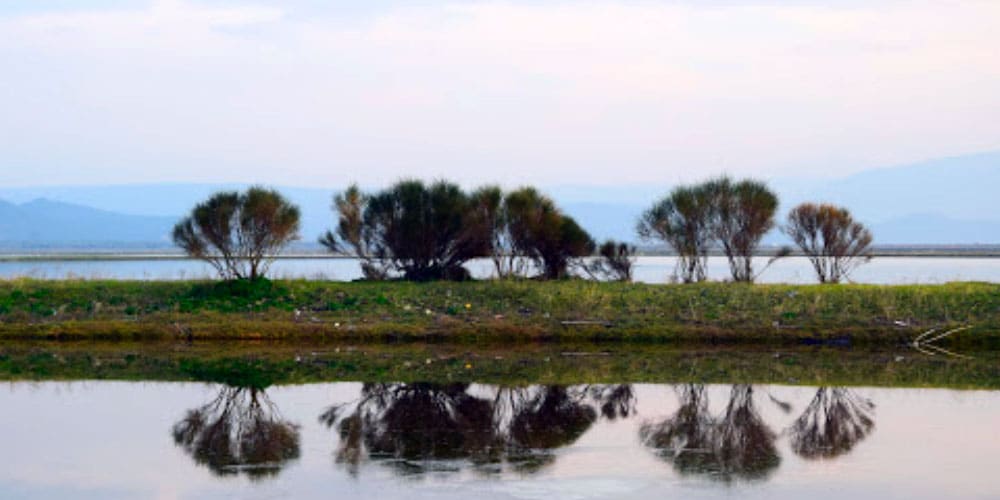
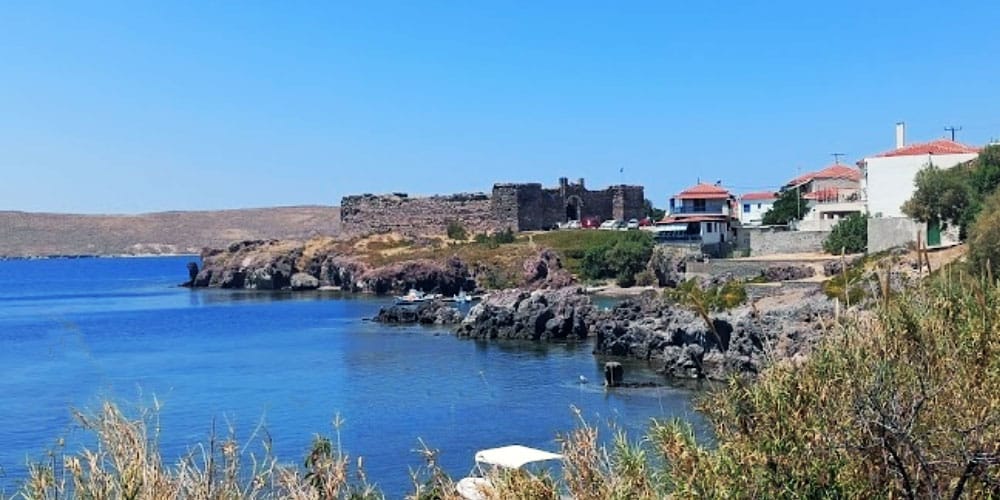
At the westernmost tip of Lesbos is the seaside village of Sigri where the place began to be inhabited by Greek families in the early years of the 20th century. From the center of Mytilini, the capital of the island, Sigri is about two hours away and the route, although with many turns in some places, is interesting.
In Sigri is the Petrified Forest and the Museum of Natural History where it is a pole of attraction for the visitors of the place, while it has been greatly stimulated, among others, animal husbandry, the creation of an olive press and beekeeping.For lovers of alternative holidays in Sigri you will find sports activities such as hiking, bird and flower watching and mountain biking.
Mantamados
Mantamados, is located towards the northeast coast of Lesbos. Mantamados is renowned for its religious heritage and traditional pottery.
The village has a significant religious monument, the Monastery of Taxiarchis, which is devoted to the Archangel Michael and is a place of pilgrimage.
The local economy of Mantamados is partly based on agriculture and the production of dairy products, particularly the local cheese. The village also has a charming square, beautiful churches, and traditional stone-built houses which attract visitors.
Polichnitos
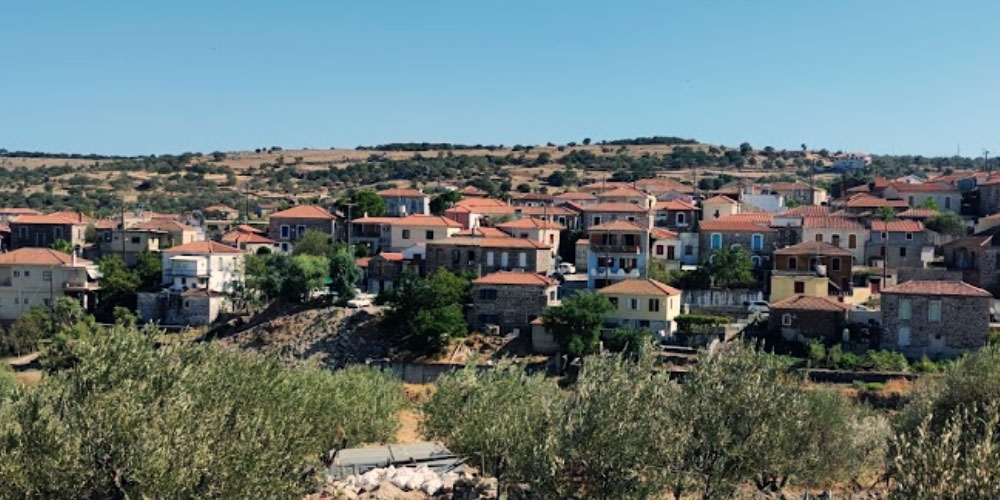
Polichnitos is a traditional village of Lesbos located on the southern part of the island. This village is known for its well-preserved architecture, warm hospitality, and the natural thermal springs that are situated nearby.
Polichnitos is famous for its thermal springs, which are among the hottest in Europe. The mineral-rich waters have been renowned since antiquity for their therapeutic properties. People from various parts visit these springs to benefit from the healing qualities of the waters, especially for ailments like rheumatism and arthritis.
The village boasts traditional architecture, with old stone houses and narrow streets that reflect the authentic lifestyle of the island. Walking through the village, visitors can observe the charming local architectural style that gives Polichnitos a quaint and picturesque character.
Petra
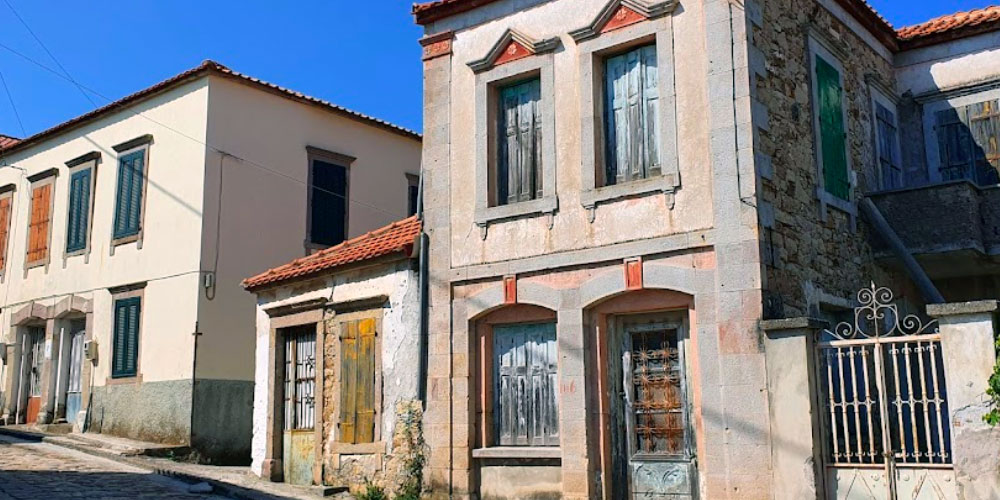
Petra is a picturesque village situated on the northwest coast of the island of Lesbos, Greece. It’s a charming destination with a rich historical backdrop and natural beauty. Here’s a thorough exploration of the village:
Petra is perhaps best known for the Panagia Glykofilousa Church, which is perched on a rock in the center of the village. To reach the church, visitors must climb 114 steps carved into the rock. The panoramic view from the top is spectacular and gives a broad outlook over the village and the Aegean Sea.
Tavari
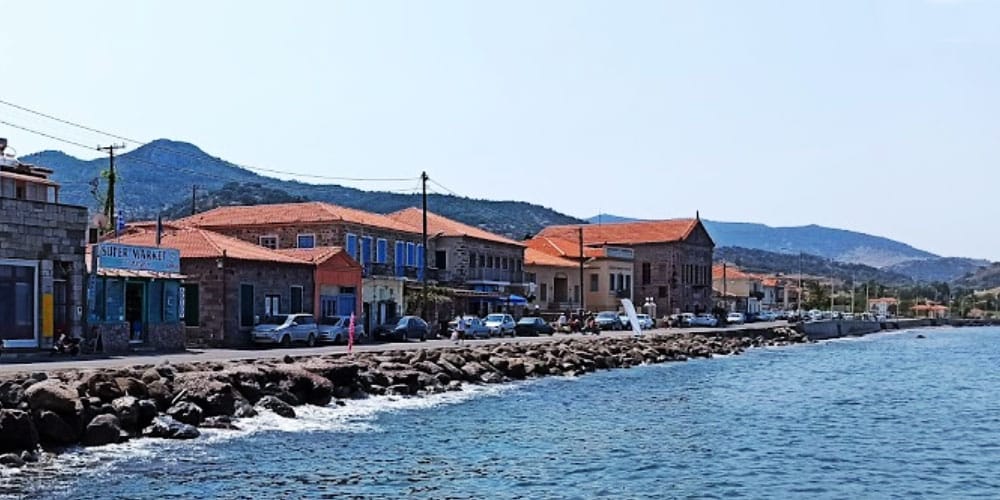
Tavari is a quaint village located on the island of Lesbos, which is part of Greece. Nestled amidst the natural beauty that characterizes the island, Tavari offers a slice of the traditional Greek village life to both its residents and visitors.The villageshowcases the charming and authentic lifestyle that typifies the region.
The village is known for its friendly community and a peaceful ambiance. The quiet streets, traditional houses, and warm hospitality of the locals make it an attractive destination for those looking to escape the hustle and bustle of urban living. The village carries a rich history, and the old architecture seen in many of the buildings hints at the traditional ways of living that have been passed down through generations.
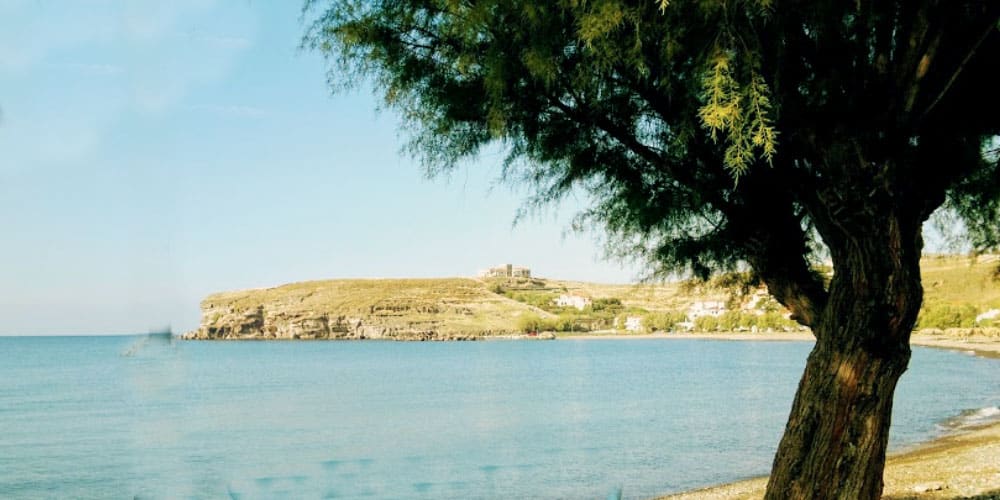
Sykamia
Sikaminea is a charming village situated in the northern part of the island of Lesbos. Known for its traditional architecture and beautiful natural surroundings, this village offers a glimpse into the authentic Greek island lifestyle.Sikaminea is perched on the slopes of Mount Lepetymnos, providing it with breathtaking views of the Aegean Sea.
The village is adorned with stone-built houses, narrow cobbled streets, and blooming flowers that add a splash of color to the traditional grey and white buildings. This picturesque setting makes it a tranquil haven for residents and visitors alike.
One of the notable landmarks of Sikaminea is its beautiful village square, which is often considered the heart of the community.
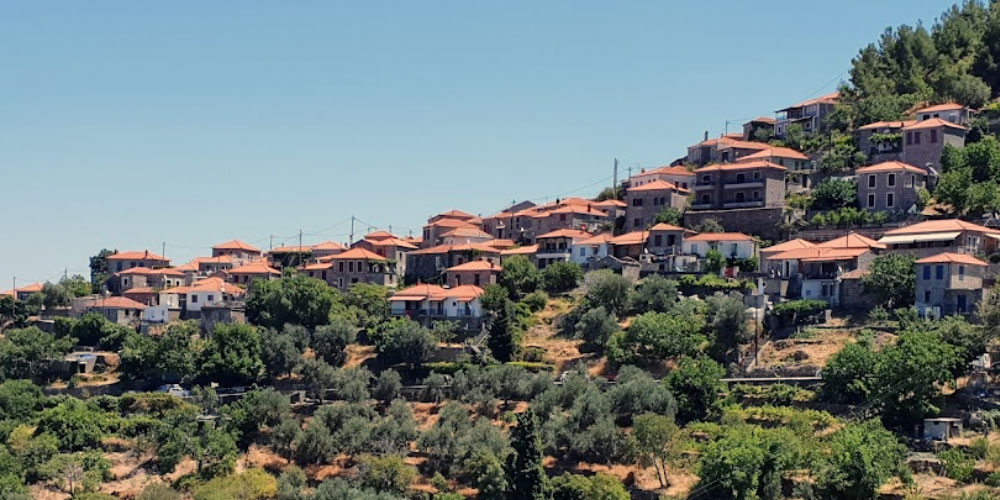
Agia Paraskevi
Agia Paraskevi is another picturesque village of Lesbos in Greece. Its name is derived from the Church of Agia Paraskevi, which is a significant landmark in the village. The village is known for its rich history, cultural significance, and the traditional charm that embodies the essence of Greek island life.
Historically, Agia Paraskevi has been a notable settlement and carries a deep-rooted local culture that ties back to the ancient times. The village has preserved much of its traditional architecture, with stone-built houses, narrow winding streets, and old olive oil presses hinting at a bygone era. These elements blend seamlessly with the natural beauty of the surrounding landscapes, creating a quaint and picturesque setting.
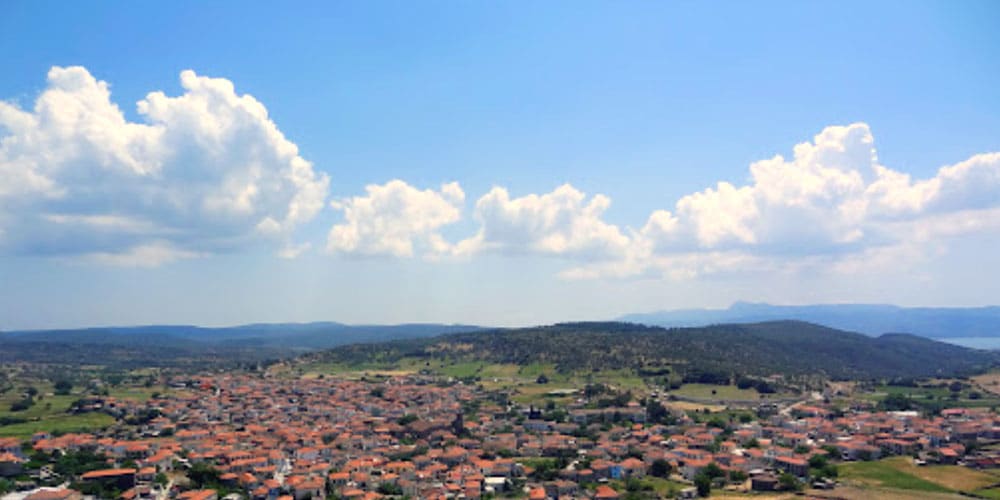
Mistegna
Mistegna is a serene village located on the eastern coast of of Lesbos. Known for its natural beauty and tranquil ambiance, the village offers a peaceful retreat from the busier parts of the island. The location of Mistegna provides a wonderful view of the Aegean Sea, making it an attractive spot for both locals and visitors.
The village exhibits a typical Greek island architecture with traditional stone houses, narrow alleys, and vibrant gardens. The authentic character of the village is well-preserved, providing a genuine experience of Greek village life. The locals are known for their warm hospitality, which adds to the welcoming atmosphere of Mistegna.
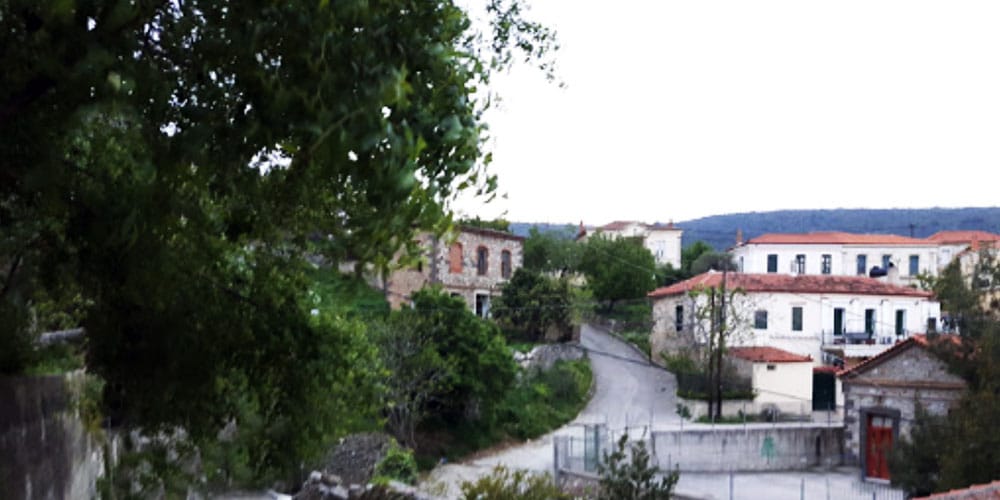
Thermi
The village of Thermi has a rich history that dates back to ancient times and is particularly known for its thermal springs, which were believed to have healing properties. The name “Thermi” itself is derived from the Greek word for hot or warm, referring to the thermal springs in the area.
The village carries a charming and traditional atmosphere with its stone-built houses, narrow alleys, and quaint village squares. Overlooking the Aegean Sea, Thermi provides stunning views, and the natural surroundings add to the serene ambiance that pervades this village.
The thermal springs have been a significant feature of Thermi for centuries. Since ancient times, people have traveled to this village to bathe in the springs, seeking relief from various ailments. The warm waters are rich in minerals and were once a part of a more extensive thermal spa complex. Even though the thermal facilities have seen better days, the springs continue to draw visitors interested in their purported healing qualities.
Public transport
The local buses all start in Mytilene, and there are connections to most villages around the island. There are also taxis and vehicles for rent, as well as boats that can take you to some of the beaches.
Taxi services: Taxis on Lesbos are useful for transportation around the island. Basically they run 24 hours daily. The drivers are kindly willing to drive you safely to your destination for economical prices. We transfer our guests from/to airport and port of Mitilini to the Northern part of the island which is mostly touristy, excursions and local fares. Theo the taxi driver based in Petra and much more fares can be executed from Petra to any part of the island.
Roads on Lesbos are generally good but driving can be tiring on such a large and mountainous island. Although there are no express ways, roads are usually uncongested. Those heading into the mountains will find that roads can narrow quickly and the surface deteriorate.
Car rental is available in most of the larger resorts or you can book online
Buses
Lesbos has two bus stations in Mytilini. The station based at the harbour car park runs services to the city suburbs, to the airport and to Thermi in the north.
Cross-island services based at Mytilini’s main square are operated by KTEL. The main routes are to to Petra and Molivos with journey times of about two hours.
Local services connect more remote villages to the main routes but timetables can be unreliable.
Regular buses link Mytilene with Ipio, Sikounda, Agiassos, Vassilika, Lisvori, Polichnitos, Vrissa, Vatera, Kato Tritos, Paleokipos, Plakados, Papades, Skopelos, Trigonas, Plagia, Plomari, Kaloni, Filia, Skalohori, Vatoussa, Andissa, Eressos, Sigri, Petra, Mithymna, Agia Paraskevi, Parakila, Agra, Messotopos, Mistegna, Nees Kidonies, Mandamados and Klio
Taxis
Taxi ranks are found at the airport and in Mytilene town centre near the country bus station. Taxis are usually painted silver or yellow and are found at all the main resorts such as Petra, Molivos and Kalloni. Most villages will have at least one local taxi driver on call in the main square. Outside the capital, drivers may prefer not to use a meter but will charge about one euro per kilometre. Always agree a price before getting in. Typical inter-village taxis fares are found at Lesbos Taxi Service which operates all over the island and claims cheap rates for island excursions
Getting there
Lesbos has its own airport, and if you can’t find a direct flight, it also has good connections with both Athens and Thessaloniki. There are also ferries to and from Pireus, Thessaloniki and Alexandropolis, as well as islands like Chios, Samos, Rhodes and Kos.
By Air
The airport of Lesbos located in Mytilene In order to get to Lesbos by air from abroad, changing flights in Athens is practically mandatory. There are more than one airlines operating on the Athens-Mytilini route ( Aegean, Olympic,Sky Express) and the price is never too high.
As for internal flights, the island of Lesbos can also be reached by plane from other locations in Greece with Sky Express. At the moment SkyExpress flies to Chios, Limnos but above all Thessaloniki.
These last 3 routes in particular are very convenient, because they allow you to visit the other Greek islands of the North Eastern Aegean more quickly without having to waste too much holiday time on the ship. In this corner of Greece, in fact, the distances between the islands are greater and consequently also the ferry travel times, longer than for example those we are used to in the Cyclades or the Dodecanese.
By ferry
From Piraeus to Mytilini the route is quite long, about 9 hours, but it is one of the busiest routes in Greece, given the many inhabitants and activities that make Lesbos an exciting and unconventional destination. There are trips on this route every day all year round, sometimes even several times a day. Blue Star Ferries and Hellenic Seaways have ferry scedules from Athens, Thessaloniki and Kavala in Thrace, the northernmost region of Greece continental,
These ships, passing through Chios, also stop in the other small islands of Psara and Oinousses. There are also very frequent trips to Turkey, to the port of Ayvalik. Depending on the days and the season there are also multiple daily frequencies, navigation time from 50 minutes to an hour and a half.
Useful telephones
Buses 229973
Medic 228412
Port 228888
Airport 261590
Tourism 242511
Tourism Police 222776
LESBOS FACTS
Size 1,632 sq km
- Population 90,000
- Season May – Oct
- Special interest Spas
- Island hopping Poor