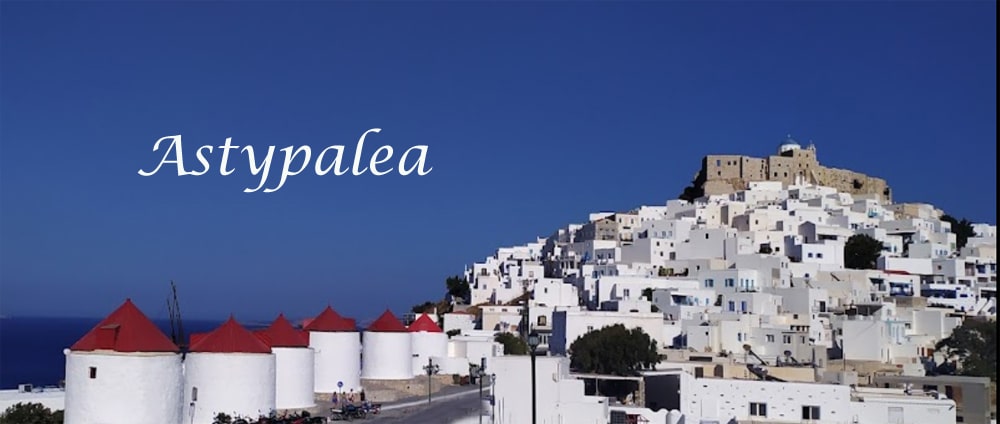
Information about the island of Astypalea
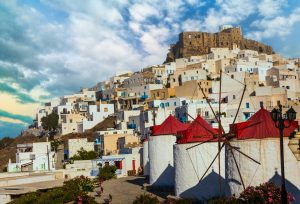 Astypalea is a beautiful Greek island located in the Aegean Sea. Known for its picturesque landscapes, charming villages, and pristine beaches, Astypalea is a popular destination for travelers seeking a peaceful and authentic Greek experience. Here’s a travel guide to help you make the most of your trip to Astypalea.
Astypalea island sits as a bridge between the Cyclades and the Dodecanese, combining elements of both. On a map it’s like a butterfly floating in the dazzling Aegean Sea – though officially classified as a Dodecanese island, many of its features are characteristic of the Cyclades.
This paradise of white-washed homes and deep blue waters provides a captivating experience, with its tranquil beaches, rolling hills, and rocky cliffs. Let the beauty of the Aegean carry you away on a journey like no other!
This serene island offers an abundance of history, culture, and unique sights. White houses with whitewashed courtyards, bursting with bougainvilleas, are surrounded by scores of enchanting chapels, making it the perfect destination for stress-free relaxation.
This beautiful island has managed to maintain its natural beauty, offering holidaymakers a unique experience of being close to nature. There are plenty of opportunities for entertainment and exploration while still being respectful of the environmental surroundings.
 The Town of Astypalea is one of the most stunning locations in the Aegean. Windmills and white houses line the hill which falls gently away before it to form an amphitheatre and atop it all stands the famous castle. A holiday here is perfect for relaxation, swimming and diving in crystal clear waters. There are picturesque settlements, coves and beaches, as well as a plethora of activities such as hiking, climbing, exploring caves or taking an excursion out to one of the nearby islets. Everything about Astypalea makes it a very charming destination.
The island is known for its well-maintained windmills, and Agios Ioannis castle is a must-visit. Two caves filled with stalactites and stalagmites also make the island an attractive destination.
Southeast of the island, you will find the islets of Chondros, Ligno, Agia Kyriaki with its church and Koutsomytis which boasts a beautiful beach. Adelphi, Sirna and Tria Nissia can be seen in the distance to the West lies Ktenia, Pontikoussa, Ofidoussa and Katsagreli while Fokionisia is found to the North.
Astypalea’s name attributed, according to mythology, to a sister of Europa, the mother of King Minos.Another version about the name states that it comes from the words asty and old, because Dorians who settled on the island found an older settlement built by the Phoenicians. From a transformation of a foreign name, possibly Phoenician, the words asty and palios meant a low place, since the island consists of two parts connected to each other by a low isthmus
Mythology
 Astypalea and Europa were daughters of Phoenicus and Perimidis. From the union of Astypaleia with Poseidon, Agaios and its king Eurypylos were born.
Another version about the name states that it comes from the words asty and old, because Dorians who settled on the island found an older settlement built by the Phoenicians.
From a transformation of a foreign name, possibly Phoenician, the words asty and palios meant a low place, since the island consists of two parts connected to each other by a low isthmus.
History
According to history during the period of Roman rule the island’s ports were used as bases of operations against the pirates and for that reason the Romans granted the residents many privileges. During the Byzantine period the outbreak of piracy again changed the building structure of the islands with coastal settlements falling into demise, populations moving inland and fortresses being erected for protection.
Following 1204 the island passed into Venetian hands and in particular the Guerini family – with the exception of a short period when it returned to the Byzantine Empire (1269-1310). The Quirini remained lords of the island until 1537 when it was seized by the Turks. Just like the other Dodecanese islands, it remained in Turkish hands until 1912 and then passed to the Italians only to be united with Greece in 1948.
Geography
Astypalea covers an area of approximately 97 square kilometers (37 square miles). The island has an irregular shape, resembling a butterfly or the letter “A” when viewed from above.
Astypalea is characterized by a hilly and mountainous terrain. The island is divided into two main sections by a narrow isthmus that connects the two wings. The eastern wing is more mountainous, with the highest peak being Mount Prophet Elias, reaching an elevation of 442 meters (1,450 feet). The western wing is generally flatter and has more fertile valleys.
Astypalea has a diverse coastline with numerous bays, coves, and rocky cliffs. The island offers a variety of beaches, both sandy and pebbly, ranging from secluded and unspoiled to more developed tourist areas. The coastline stretches for approximately 110 kilometers (68 miles) in total
Astypalea is surrounded by smaller islets and rocky outcrops, which are part of the wider Astypalea municipality. Some notable nearby islands include Agia Kyriaki, Kounoupes, and Koutsomyti.
Vegetation and Climate
The vegetation on Astypalea is typical of the Aegean region, characterized by sparse shrubs, olive trees, and some agricultural cultivation in the valleys. The island experiences a Mediterranean climate with hot, dry summers and mild, wet winters.
Astypalea’s unique geography, combined with its traditional charm and natural beauty, make it an attractive destination for tourists seeking a peaceful and authentic Greek island experience.
Climate
According to the meteorological station of Astypalaia the average annual temperature recorded at the aforementioned weather station is 19.27°C, while the average monthly values range between 11.68°C (February) and 27.20°C (July).
The average minimum monthly air temperature of 7.73°C is recorded in the month of February, while the average maximum monthly temperature is recorded in July and amounts to 32.09°C. Regarding the absolute minimum and maximum values, the minimum is recorded in February and its value is 5.00°C, and the maximum in the months of June and July where the mercury rises up to 40.20°C. The average annual relative humidity for the wider area of Astypalea amounts to 70.13%.
According to the data kept by the Directorate of Agricultural Economy, the average annual amount of atmospheric precipitation in Astypalea varies from 196.4 – 620.9 mm, with an average value of 400 mm.
Flora and fauna
The eastern part of the island and the complex of 12 surrounding islets, Kounoupi Ofidousa, Koutsomyti, Tigani, Moni, Fteno, Chondropoulos, Fokionissia, Ligno, Chondri, Agia Kyriaki and Pontikousa are included in the NATURA 2000 network and have been designated as a CORINE habitat, among the 39 in the South Aegean Region.
The terrain is mostly mountainous and hilly, with the main rocks being limestone and flysch. The coasts of Astypalea are steep and varied, forming a multitude of bays, coves and creeks.
Τhe island is home to endemic plants of the Aegean. The vegetation in the eastern part of Astypalaia is characterized by cypress, cypress and sparse gorse. In the western part, phryganic species dominate, while in the streambeds there are oleanders and figs. In the seaside settlements and mainly in Livadia, north of which is the Astypalaia dam, there are olive trees, figs, tamarisks, but also conifers, reed beds and vines.
Astypalea Villages
The varied coasts of Astypalea are nothing more than a continuous game of land and sea. Around the middle of the island, the land narrows so much that a strip of land just 10 meters long connects the two parts. The Strait, as the locals call it, divides Astypalea into the eastern “Mesa Nisi” and the western “Exo Nisi”.
Chora of Astypalea
Capital and port of the island, built on a hill that juts into the sea forming two bays: the port – Pera Gialo – and Livadia bay. At the top dominates the Castle with the dark local stone, from where the white domes of Evangelistria and Agios Georgios emerge. All around him are white houses with blue doors and windows and wooden railings on the balconies.
Among them, churches and domed chapels. On the neck of the hill, eight windmills, a special ornament of the Country. Further on is the traditional coffee shop and a little further up the Town Hall, from where the two main roads that reach the Castle start. Each one leads to a famous church, the Monastery of Panagia Portaitissa towards Livadi and Megali Panagia towards Pera Gialos.
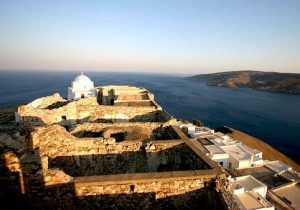 White houses with blue balconies and windows, built amphitheatrically on two hills and yards overflowing with bougainvillea in full bloom. The Town of Astypalaia, reminds of an island of Kyladite architecture, despite the fact that it belongs to the Dodecanese.
It is the capital and port of the island with the most inhabitants, which with its picturesqueness attracts a large number of tourists. Upon your arrival in Chora you will be welcomed by the traditional stone windmills, while in the square and the surrounding cobblestones you will find several options for relaxation and food, as well as for your night out.
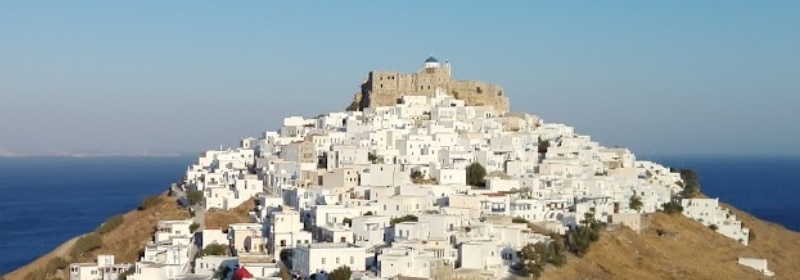
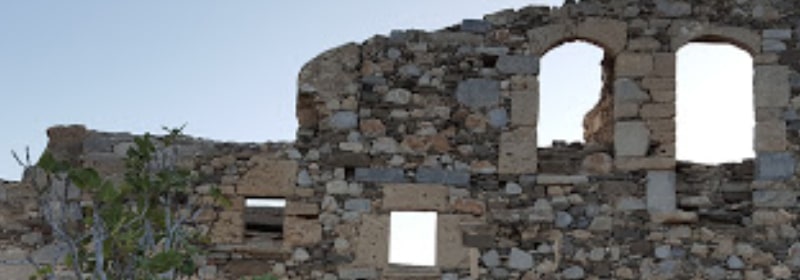
The houses of Chora climb up the hill, at the top of which is the Venetian castle, called Astroplia Castle or Querini Castle. It was built by the Venetian Querini family on the ancient acropolis. It took its final form in the 15th century.
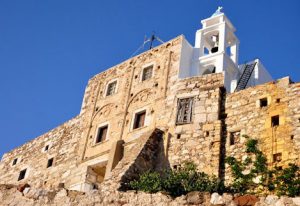 It is built with traditional local dark stone and surrounded by white houses, the outer walls of which create a real wall, with small windows for battlements. With a strong fortress character to protect the inhabitants from pirates, it has visibility to the two natural harbors of the island.
The paved path on the southwest side is the only entrance to the Castle. Here you will be impressed by the imposing walls and the view, especially if you stay until sunrise. The white domes of the two churches, Evangelistria and Agios Georgios, emerge from the stone walls.
Here you will admire the church of Panagia Portaitissa, one of the most beautiful in the Aegean, which was built in the 18th century by a blind Athonite monk and is the place that hosts the famous August 15th festival.
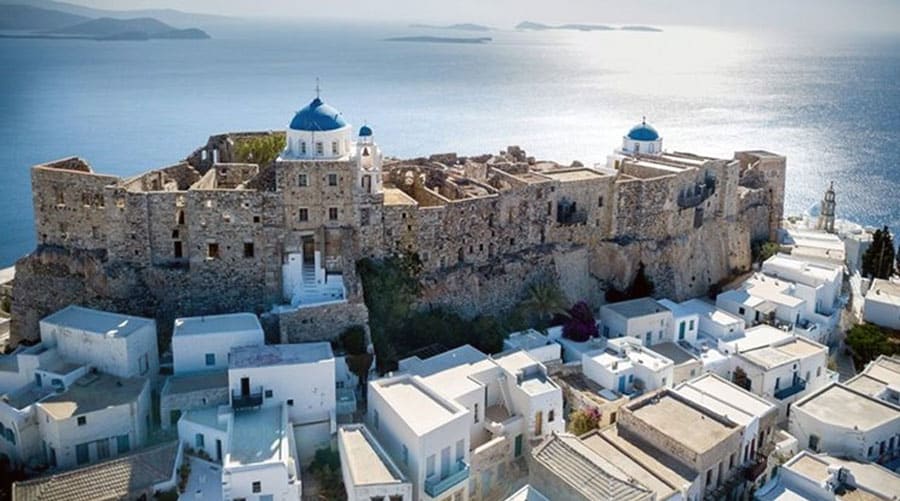
To the left and right of Chora, two windless bays are formed: Pera Gialos and Livadi, while going up to the foot of the hill, the eight windmills, which are kept in very good condition, make a special impression.
Do not leave Pera Gyalos without visiting the Archaeological Museum of Astypalea. Its collection of exhibits, among which you will see pottery, jewelry, bronze and stone tools from the Mycenaean burial chamber, takes you back to prehistoric times.
It is worth trying the local flavors such as pougia me chlori (bread stuffed with local cheese), angrista (lentils with dough balls), lambriano (lamb stuffed with rice and liver) and xerotigana (folded and fried dough with honey).
Maltezana
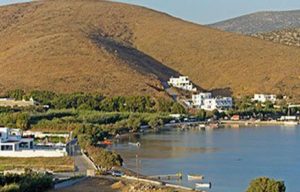 One of the seaside villages in Astypalea with a nice sandy beach is spread out in a small valley on Exo Nisi. The second name Maltezana refers to the pirates who used to thresh in the Aegean and found refuge in the closed bays of the island.
The resort embraces the cove with the long jetty, where the fishing boats moor, and reaches the orchards and vineyards. From here, excursion boats take you to the island’s beaches and the islets of Chondro, Ligno, Agia Kyriaki, Koutsomyti, Sirna and Kounoupoi.
Maltezana got its name from the Maltese pirates who had the island as their base. Here, in 1827, the Frenchman Bigot set fire to his ship to avoid capture. On the northeast side of Astypalea is the Hameni Limni lagoon, on the banks of which Vathi is built. From here one can visit by boat the Cave of the Dragon, the Cave of Negri or further south the Italian fortress of Castellano.
For day trips there are the islands of Chondros, Ligno, Agia Kyriaki, Koutsomyti with a beautiful beach and Kounoupi. Farther are Adelfia, Sirna and Trianisia. To the west the islets of Ktenia, Pontikoussa, Ofidoussa, Katsagreli and to the north the Fokies.
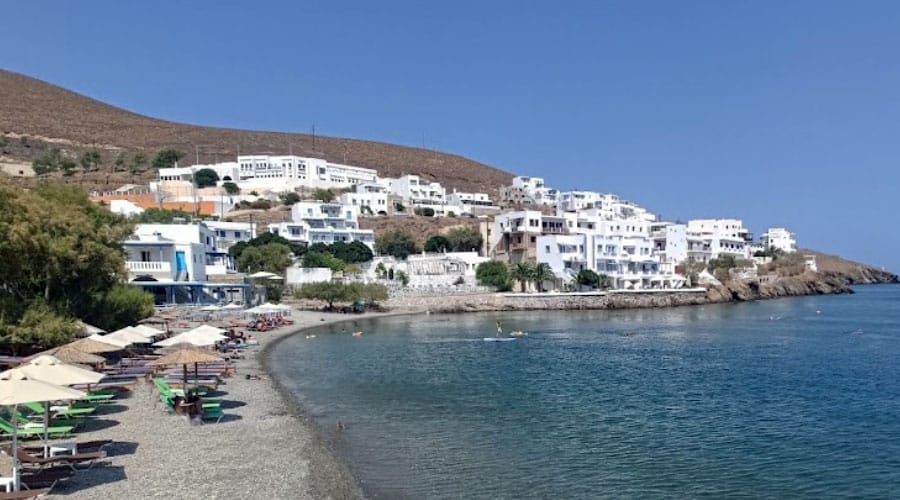
Livadi
 Livadi is located at a distance of three kilometers from Xora and is a developing area.
The orchards with mandarin trees, orange trees and vines as well as the houses drowned in flowers, spread across the width and length of the ravine, which ends in a beautiful beach.
At the north-western edge, at the back of the valley, the dam has been constructed where the waters of the torrents are collected during the rainy season. Thus an artificial lake has been formed which covers the island’s water needs.
At the north-western edge, at the back of the valley, the dam has been built where the waters of the torrents are collected during the rainy season. Thus an artificial lake has been formed which covers the island’s water needs.
The dirt road in front of the dam leads to the beautiful meadow beach ending at the bridge. Here you will find crystal clear waters for swimming with fine pebbles and sand and you will do water sports, such as windsurfing, canoeing and pedal boats, since it is the only organized beach.
In Livadi there are several taverns, ouzos, supermarkets that are literally on the edge of the wave with a view of the country and the castle.
In the meadow there is local transport with small buses with frequent routes in the summer months and it connects to Chora, Pera Gialos, the port of Agios Andreas, the airport and Maltezana
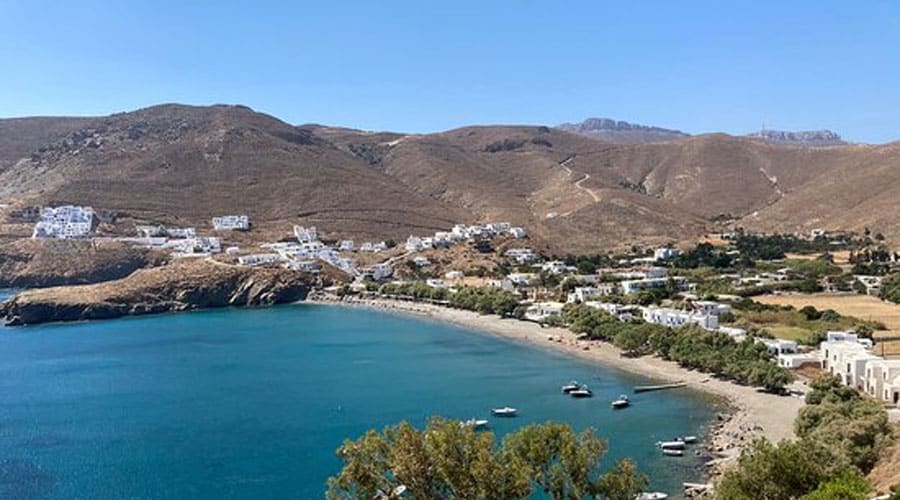
Vathy
 Vathy located approximately 20 kilometers northwest of Chora, you will find a few houses, a few residents, a tavern and crystal clear and calm waters for endless swimming.
It is a very closed bay (about 50m), which looks more like a lagoon. Vathy has two small settlements: Exo Vathy, which is located at the entrance of the bay and has a small staircase where the boats moor, and Mesa Vathy, which is at the mouth of the bay, with fields, a few trees and vines.
The visitor can reach Vathi by road crossing a passable dirt road or by boat that runs regular routes from the Bay of Vai. The village consists of two settlements, Mesa Vathy, at the mouth of the gulf, and Exo Vathy, the port at the entrance of the gulf.
In Vathy you will find a few houses, a few residents, a tavern and crystal clear and calm waters for endless swimming.
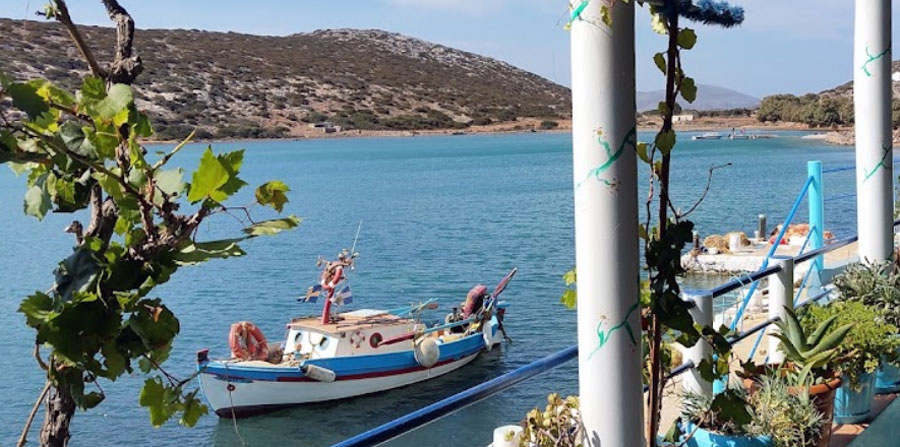
Beaches
The beaches of Astypalea are over 21 some with pebbles and others with sand. Plakes, a windless unorganized beach with pebbles on one side and slabs on the other, in Tzanakia, one of the most beautiful beaches of Astypalaia with pebbles and deep crystal waters, accessible by a path, in Ble Limanaki, a very small, but popular sheltered beach, accessible by a passable dirt road.
Megalo Steno, an organized beach with clear blue shallow waters, ideal for families, but also at the beaches of Vatses, Kaminakia, Pera Gialos, Agios Ioannis, Panormos, Agios Konstantinos.
What to do and see
The Baths of Talara in Maltezana, Hellenistic mosaics, unique in Greece, with bluish colors and tiles and an interesting composition on the theme of the seasons and the symbols of the zodiac. The Monument to the French admiral Bigon, leader of the fight against pirates at the beginning of the 18th century. is located near Schinonta.
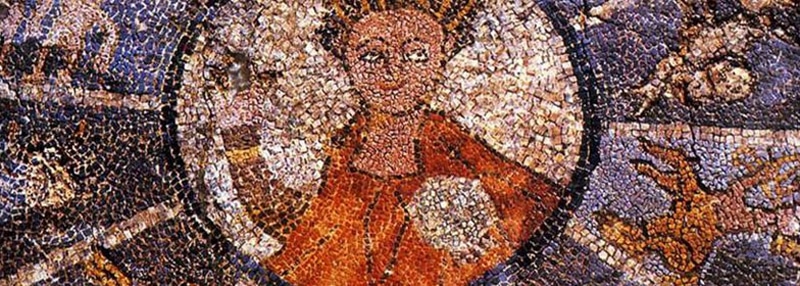
A Heroes’ Monument has been erected in Chora. Remains of a Minoan settlement and the ruins of Pyrgos dominate the entrance to Vathi Bay. Remains of an early Christian Basilica (5th century) with remarkable mosaics in Maltezana.
The church of Agia Varvara was built on top of them, with an Ionic capital on the lintel. Monolithic columns and bases rise in the enclosure. The area with the meadow in front is a place where there might have been a sanctuary of Artemis.
Windmills in Chora
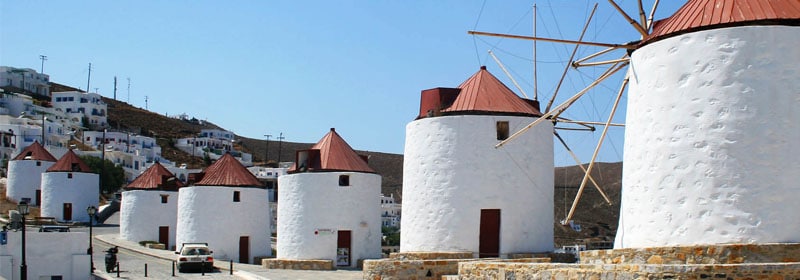
In Chora, in the central square you will find the eight traditional mills opposite the cafes next to the monument to the fallen that is there. You will see a lot of people surrounding them as it is characterized as a point of intense life both during the day and at night.
Most have been recently repaired and maintained. In the best condition are 4-5 of them which are still in use today, one is the office of the Municipality for information about the island, while another one is used for various cultural exhibitions and events.
This is where the people of Astypalea used to bring the crops of the few grains that thrived in their place for grinding. All eight belong to the type of “revolving” mill, the roof of which rotated with the wind depending on the direction of the winds.
The Venetian Guerini Castle
Architecturally it belongs to the type of fortified settlement, where the outer walls of the houses create a wall with small windows for battlements. The Guerini houses are built around the entrance, on the east side, two stories high and until 1956 they were all inhabited. Inside the castle are two churches, pure white, with elaborate bell towers. At the entrance, Panagia tou Kastro (Evangelistria) and at the end, Agios Georgios. The church of Panagia was built in 1853 above the arched entrance of the Castle. Inside there is the founding inscription of 1413 and the Guerini coats of arms. Agios Georgios was built in 1790.
The Castle of Agios Gianis
A natural fort with a secret entrance and passage on the adjacent hill, as they say. Here the terrible Barbarossa attacked and exterminated the inhabitants. During the tradition the castle was impregnable. Today, ruins of buildings and a cistern are preserved. Perhaps the inhabitants had taken refuge here during the difficult years of the pirate attacks that plagued the Aegean since the 7th century. Access is difficult.
Caves of Astypalea
Astypalea has three well-known caves that the alternative traveler could visit. The cave of Negros in Vatses: The cave of Negros has unique stalactites and stalagmites. It has been linked to tradition and to various legends about pirates and treasures they hid inside the cave. The best way to get there is the dirt road that starts from Chora.
You leave the vehicle and continue on foot until you reach the cave right on the rock. Alternative access is with the boats that make the excursions from Pera Gialos – you can request it if you are interested in the sea route.
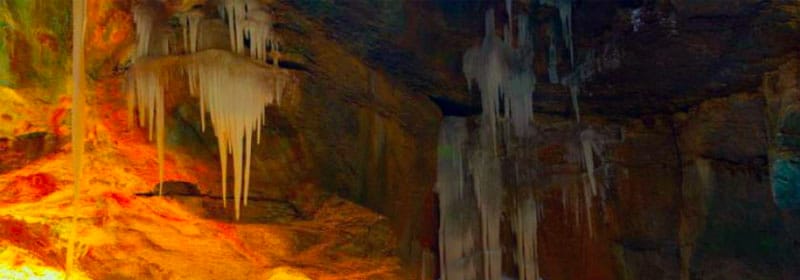
The cave of the Dragon in Vathi or otherwise the dragon cave: It is located north of the island, north of Panagia tou Thomas. Access to the cave is by boat or by car up to a point and then on foot. Access on foot is difficult and the route quite dangerous.
The cave of Panagia Pullariani, in Analipsi: Panagia Pullariani is built on the highest mountain of the island, in Castellanos. The Rock of the church is said to form the Virgin Mary with Christ in her arms.
The islets of Koutsomytis and Kounoupes
The islets of Koutsomytis and Kounoupes form the “exotic zone” of Astypalea. The waters and the environment are different from what you will find on the other beaches of the island. The approach to the two islets can be done either by renting a private boat from Livadi beach, or with an excursion boat from the port of Pera Gialos or Maltezana.
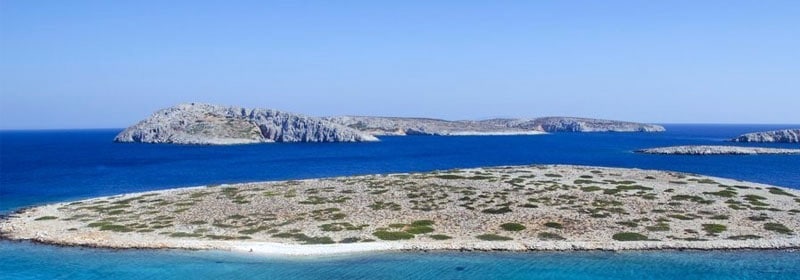
Kounoupes islet has an exotic appearance, it is something different that is worth seeing during your stay in Astypalea. The visitor will find a very beautiful double beach (a relatively narrow strip of land joins one side of the island to the other forming a beach on both sides) with waters that resemble a swimming pool in color.
Koutsomytis and the islet of Tigani next to it is a beautiful day destination for the tourist boats that start from Pera Gialos and is combined with a visit to Kounoupes.
Nightlife
The nightlife in Astypalea is characterized by a relaxed and friendly atmosphere. It’s not as wild or hectic as some of the more famous party islands, making it an ideal destination for those seeking a more laid-back experience.
The island’s nightlife often starts with dinner at one of the charming tavernas or seafood restaurants. These establishments serve delicious Greek cuisine, and many offer outdoor seating with views of the sea and the castle, creating a romantic and enjoyable dining experience.
After dinner, the locals and visitors alike gather at the island’s bars and cafes. These establishments often have cozy interiors and outdoor seating areas, making them great places to relax and socialize. Try local drinks and cocktails, including Ouzo, Tsipouro, and Mastiha.
Some bars and cafes feature live music performances, often with traditional Greek instruments like the bouzouki. This adds to the island’s authentic and cultural atmosphere, providing a unique experience for visitors.
While Astypalea may not be as famous for its dance clubs as other Greek islands, you can still find places where you can dance the night away. These venues often host DJs or live bands playing a mix of Greek and international music.
Occasionally, there are themed events and parties organized on the island, particularly during the summer months. These events can range from beach parties to cultural festivals, offering diverse entertainment options.
Useful Tips
At Vatses beach, there is a nice beach bar/canteen. Keep in mind that your mobile phone will have no signal here.
At Kaminakia beach, visit in the afternoon when the other visitors have left, and then stay for food at “Linda” , which serves dishes made from her own ingredients: meats, cheeses, wine, and vegetables. There may not be many dishes of the day left, but you will enjoy the tranquillity.
If you stay out late, wait for the sunrise in Chora, where the town is bathed in pink, with the eerie sound of crows breaking the absolute silence. If you’re there during a full moon, sit at the “Sti Thea” bar to watch the moon rise over the Castle.
At the historic bar “Artemis,” the owners do not allow overcrowding. The secret to getting in is to arrive before midnight (it opens at 10 p.m.).
Go “green”: the island has electric vehicle charging stations, and electric cars are available for rent (from 50 euros per day in early July, plus 20 euros for higher categories later). You can also rent electric bikes from “Astypalea Bicycle Rental”
Where to Stay
Astypalea’s hotel infrastructure is at 70% capacity, despite the high prices in August. A good option is to stay in Livadi or Maltezana instead of Chora. An excellent value-for-money choice is Kallichoron Country Houses from 80 euros without breakfast) in Livadi: two brand-new houses that are part of the award-winning “green” hotel Kallichoron Art Boutique Hotel in Chora. You can try their famous breakfast on the unit’s terrace, regardless of where you are staying.
Vithos Seaside Aparthotel , from 90 euros without breakfast) in Pera Gialos also has very well-designed studios and apartments. Also, consider the charming Hotel Castillio , from 60 euros with breakfast) in Maltezana, and the very decent Evdokia’s Rooms , from 50 euros without breakfast) in Livadi and Chora.
How to move around
Renting a car or scooter is a popular and convenient way to explore Astypalea, especially if you plan to venture beyond Chora. Rental agencies are available both at the island’s airport and in Chora. Keep in mind that the road infrastructure is generally well-maintained, but some roads may be winding or unpaved, so drive with caution.
Quad bikes and all-terrain vehicles (ATVs) are another popular means of transportation on Astypalea. They are well-suited for navigating the island’s rugged terrain, and rental options are available in Chora
Taxis are readily available on the island, particularly in Chora and at the airport. While it’s possible to hail a taxi on the street, it’s recommended to call ahead and book one, especially during the peak tourist season, to ensure availability.
Astypalea has a limited public bus service that connects Chora with some of the island’s villages and beaches. The bus schedules may vary depending on the season, so it’s advisable to check the timetable in advance. Buses are a cost-effective way to get around the island.
Given Astypalea’s geography, you can use water taxis to reach nearby beaches and islets. This option is particularly convenient if you want to explore more remote areas or enjoy a day trip to neighboring islands.
Some visitors choose to rent bicycles to explore the island, especially if they are staying in Chora or near the beaches. Biking allows you to enjoy the scenic beauty of Astypalea at a leisurely pace.
For the more adventurous traveler, hiking is an excellent way to explore Astypalea’s rugged terrain and discover its hidden gems. There are various hiking trails on the island that lead to viewpoints, historic sites, and secluded beaches. Make sure to carry water and wear appropriate footwear when hiking.
If you’re arriving in Astypalea by boat or yacht, you’ll have the opportunity to explore the island’s coastline and anchor at some of its beautiful coves. Many visitors choose to combine their love for sailing with island exploration.
How to get to Astypalea
To get to Astypalea, you have a few different options depending on your starting location and preferences. Here are the common ways to reach Astypalea:
By Air:
The easiest and fastest way to reach Astypalea is by flying. Astypalea Island National Airport (JTY) is the airport serving the island. You can check for flights from major cities in Greece such as Athens or Thessaloniki. Several airlines operate flights to Astypalea, including Olympic Air and Sky Express. Flight schedules may vary depending on the season, so it’s best to check with the airlines or travel websites for the most up-to-date information.
By Ferry:
If you prefer traveling by sea, you can take a ferry to Astypalea. Ferries operate from various ports in Greece, including Piraeus (Athens), Kos, Rhodes, and other nearby islands. The ferry journey duration will depend on the departure point and the type of ferry you choose. High-speed ferries generally offer faster travel times compared to conventional ferries. It’s recommended to check the ferry schedules in advance, as they may change depending on the season and weather conditions. Websites such as Ferryhopper or the local ferry companies’ websites can provide updated information.
Combination of Air and Ferry:
Another option is to combine air and ferry travel. You can fly to a nearby island or city and then take a ferry to Astypalea. For example, you could fly to Kos or Rhodes and then take a ferry to Astypalea from there. This option allows you to have more flexibility in your travel plans and explore multiple destinations.
Astypalea Airport
Astypalea Airport operates domestic flights, serving the island of Astypalea, located in the eastern Aegean and part of the Dodecanese region.
The airport is managed by the Hellenic Civil Aviation Authority, which is also responsible for the supervision of Greek airspace.
The main town of Astypalea is located approximately 12 kilometres southwest of the airport. Due to flight schedules, overnight stays may be required at the end of the summer season to reach the island.
Airport Information
International code (JTY)
Time zone: GMT +2
Customer service phone: 22430-61410
Address: Astypalea State Airport, GR – 85900 Astypalea, Dodecanese, Greece
Operator: Hellenic Civil Aviation Authority
Parking: Parking facilities are available.
How to get to the airport
During the summer season, there is an Olympic Airways bus service that runs between the town of Astypalea and the airport after each landing.